T
Thomas Berger
Vienna, Austria
Oct 2, 2025

The Sherpani Col Trek was an incredible experience — tough trails, high passes, and magnificent views of Makalu and Baruntse. The feeling of isolation and achievement was unmatched.
Destination
Nepal
Duration
25 Days
Best Weather
March, April, May, September, October & November
Max Altitude
6115m (Sherpani Col)
Accommodation
Hotel and Guesthouse
Meals
Full Board
Transportation
Private vehicle / Flights
Group
Min 1 pax
Difficulty
Strenuous
Activities
Trekking
The Sherpani Col Trek is an adrenaline-filled adventure. Taking you across the mountain range between the mystical Makalu and the renowned Everest region. A combination of cross-country trekking and mountaineering. The Sherpani Col Trek tests your physical and mental strength at its utmost. So prior experience, is required for this trek.
Nestled in the remote and mystical Himalayan valley in the eastern part of the country. The Makalu region one of the least explored areas falls under the Makalu Barun National Park covering a total area of 1500 sq. km. Which extends up to the Sagarmatha National Park. Makalu Barun National Park is the world’s only protected area with tropical forests as well as snowcapped mountains.
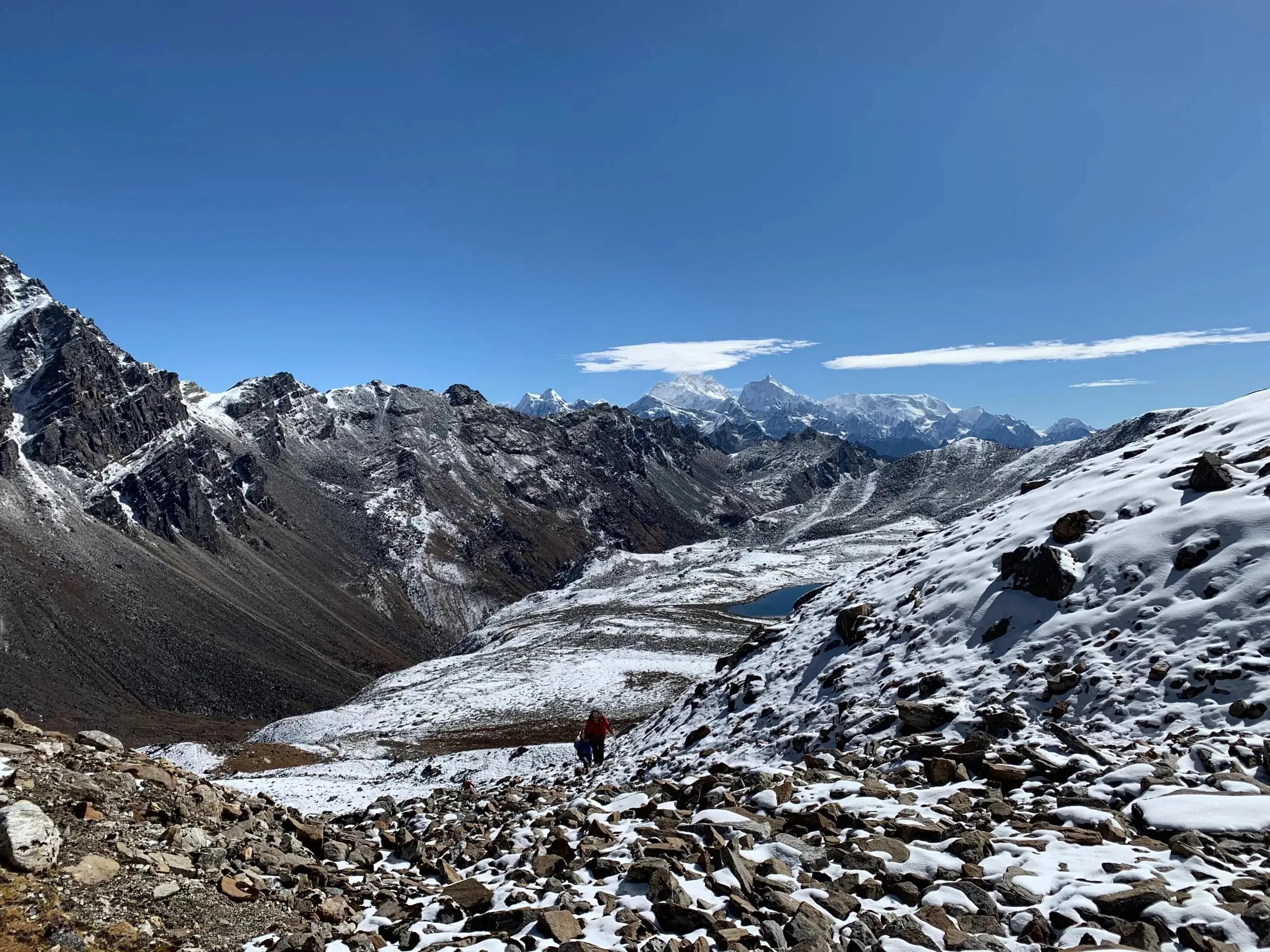
The Sherpani Col Trek takes you traversing across the raw and unspoiled region of the country with extraordinary biodiversity and range of altitude and microclimates. The trek starts from lush tropical woodlands to vibrant valleys and high alpine grounds. Crossing glaciers, moraines, and high altitudes pass on the wild and remote foothills of the greater Himalayas.
One of the most beautiful locations in the world where the scenery has not changed for centuries. Nomadic souls surround themselves in the middle of wild and unspoiled landscapes. Where preserving tradition, culture, and the environment is considered essential to its people’s well-being. Explore communities of rare beauty, great strength, and extreme fragility. Discover legends and stories and bring full experience into travel capturing your imagination.
The Barun Valley trek starts after a detailed tour of the Kathmandu Valley visiting various attractions and learning about the rich history and culture of the people. From Kathmandu head on a picturesque flight towards Tumlingtar a city in the eastern part of the country. Then move towards Chichira the starting point of your trek. From Chichira traversing along the forested trail reach Num village. Then following the rapids of the might Barun River reach the Makalu Barun National Park and eventually to Seduwa.
Thereafter the trail takes you to the pictorious village of Tashi Gaon. Next following trails across the wet hill forest reach Kahuma Danda. After an acclimatization excursion at Kahuma Danda head towards Mumbuk. Along the way catch your first glimpse of the greater Himalayan range. The following day traversing along the narrow valley trekking alongside the rapids of Barun River reach Nehe Kharka. A high alpine meadow of the region. Then following the rapids of the enchanting Barun River witness, grand views of the Himalayas proceed towards Sherson.
After an acclimatization excursion at Sherson, the trail take you to Barun-Che Base Camp nestled at the lower end of the Barun Glacier and several small glacial lakes. The following day traversing along glaciers and moraines eventually reach Puja Camp perched below the mountain gain of Mt. Makalu’s West Pillar. Then head towards High Camp followed by yet another acclimatization excursion. Next cross the high pass of Sherpani Col and to the moraine camp. Along this section, you will be using fixed ropes on various sections.
From the moraine camp proceed towards Panch Pokhari, a region consisting of five high-altitude lakes. The next day traversing across the mountain country proceed towards Amphu Labtsa Base Camp. Crossing the high pass of Amphu Labtsa head towards Chhukung. Then the trail takes you towards the beautiful Everest region and eventually to Tengboche. Traversing across various settlements and sections of deep wilderness move towards Namche Bazaar and eventually to Lukla. From where head on a pictorious flight back to Kathmandu.
A vast territory, with very few inhabitants, and many legends where the people are rich in culture, heart and respectful about the world around them with wisdom and harmony. Be a part of this adrenaline-filled adventure with the Alpine Club of Himalaya creating stories and memories.
The following permits are required for Sherpani Col Trek.
Trekkers’ Information Management System (TIMS) NRS 2000 which is approximately USD 20
1) Sagarmatha National Park Entry Permit
2) Pasang Lhamu Municipality Entrance Fee
3) Khumbu Rural Municipality Entrance Permit.
The Nepal Tourism Boards’ office in Kathmandu or the park’s entrance gate in Monjo can provide you with Sagarmatha National Park Entry Permit for NRS 3000.
The fee for citizens of SAARC nations is NRS 1500.
You must complete the permit application and present your passport or a copy of your passport. You must be in Lukla to obtain the Khumbu Pasang Lhamu Rural Municipality Entrance Permit. The permission costs NRS 2000 and may be acquired at the rural municipality counter on the outskirts of the settlement.
You will not have to worry about waiting for permits since the Alpine Club of the Himalayas or our guides will take care of everything.
Accommodation in Kathmandu, you will stay in comfortable 3-star hotels on a twin-sharing basis, where you can enjoy modern amenities such as private attached bathrooms, comfortable beds, hot showers, Wi-Fi, air conditioning or heating (seasonal), and complimentary breakfast. These hotel stays offer an ideal opportunity to relax before the trek begins and to unwind after completing the expedition. Throughout the trekking route, accommodation is primarily provided in local teahouses and mountain lodges, which are simple, family-run establishments offering an authentic Himalayan experience. Rooms are generally twin-sharing with basic beds, mattresses, pillows, and blankets, while bathrooms and toilets are usually shared with other trekkers. As the trek ascends into higher and more remote regions, facilities become increasingly basic, with limited electricity, occasional hot showers available for an additional charge, and little to no internet or mobile network coverage.
During the expedition's most remote and technical sections, particularly around Amphu Laptsa Base Camp and other high camps where permanent lodges are unavailable, you will stay in fully equipped makeshift expedition camps. These camps consist of high-quality sleeping tents, dining tents, kitchen tents, and toilet tents, all established and managed by the expedition crew to ensure safety and comfort in the harsh alpine environment. The camping experience offers a true sense of Himalayan adventure, allowing you to spend nights surrounded by glaciers, towering peaks, and pristine mountain wilderness. Although accommodation becomes more basic with increasing altitude due to the challenging conditions, the experienced support team works diligently to provide warm meals, secure shelter, and a comfortable resting place each night, ensuring you remain well-rested and prepared for the demanding days ahead.
Along the Trek, you will be provided with various Nepali and Tibetan ethnic cuisines. The region has several tea-house along the trail run by local inhabitants providing basic and minimal facilities.
However, drinking water taps are accessible with natural water supplies all along the trekking trail that are untreated. So direct use of the water is not recommended. You may refill boiling water or cold filter water from any of the teahouses along the trail.
If you buy a water purification tablet, chlorine drops or utilize SODIS (sunlight assisted) filtration procedures for further assurance, saving money, and reducing plastic pollution.
The best season for trekking in this Region is during autumn and spring.
The months of September, October, November, March, April, and May are the best time to visit. These months are better in terms of visibility and climate conditions.
During the autumn season, the months of September, October, and November are one of the best times for trekking in this region. The clear weather brings great visibility of the endless mountain ranges and lush green forest with warm temperatures. The nights are clear and are a perfect opportunity for stargazing.
The spring season of March, April, and May is also the best time to visit the Annapurna Region, the end of the winter season brings a change in the region, varieties of colorful blooming trees of the sub-alpine forest, high green pasture lands covered with wildflowers, mild temperatures, and clear weather. In this season you will witness herds of sheep and yaks grazing in the green highlands.
Monsoon season is not favorable as the weather gets harsh and it’s hard to get around the country, with frequent rainstorms and landslides. So, monsoon season is mostly avoided by trekkers.
In the winter season. The Region receives high snowfall covering most of the trails and making it impossible to travel for this reason.
Comprehensive travel insurance is mandatory for all participants joining the Makalu West Col & Amphu Laptsa Trek due to the expedition's remote location, extreme altitude, and technical nature. Your insurance policy should specifically cover high-altitude trekking and mountaineering activities above 6,000 meters, as well as emergency helicopter evacuation, medical treatment, hospitalization, personal injury, accidental death, trip cancellation or interruption, loss or delay of baggage, and repatriation if required. Since this expedition crosses challenging mountain passes, glaciers, and isolated alpine terrain where immediate medical facilities are unavailable, emergency helicopter evacuation may be the only option in the event of severe altitude sickness, injury, or other medical emergencies. It is the responsibility of every participant to ensure that their insurance policy provides adequate coverage for all planned activities and destinations before arriving in Nepal. We strongly recommend purchasing a comprehensive policy from a reputable international insurance provider and carrying both printed and digital copies of your insurance documents throughout the expedition. Without suitable travel insurance, participation in this expedition may not be permitted.
All participants must possess a valid passport with at least six months of remaining validity from their planned date of departure from Nepal. Most foreign nationals require a Nepal entry visa, which can either be obtained in advance from a Nepalese Embassy or Consulate in their home country or conveniently acquired as a Visa on Arrival at Tribhuvan International Airport in Kathmandu. To obtain a visa, travelers generally need a valid passport, a completed visa application form, a recent passport-sized photograph (although photo booths are available at the airport), and the applicable visa fee payable in major foreign currencies. Visa durations of 15, 30, and 90 days are available depending on your travel plans. As immigration regulations and visa requirements may change, travelers are advised to verify the latest entry requirements with the nearest Nepalese diplomatic mission before departure. Additionally, carrying photocopies or digital copies of your passport, visa, travel insurance, and other important documents is highly recommended, as these may be required during permit processing or in case of loss or emergency during the expedition.
If you decide to cancel your booking for the Sherpani Col Trek please notify Alpine Club of Himalaya in writing (via email or official communication) as early as possible. The following cancellation charges apply:
These fees cover administrative costs, permits, pre-arranged logistics, and potential losses caused by late cancellations.
In the rare circumstance that Alpine Club of Himalaya must cancel the trek due to unforeseen or uncontrollable events such as extreme weather, natural disasters, or safety concerns in the region, you will be offered either:
Your safety is our highest priority, and cancellations are only made when absolutely necessary.
Alpine Club of Himalaya cannot be held responsible for cancellations, delays, or extra expenses resulting from force majeure events, including but not limited to:
In such cases, participants are responsible for any additional personal costs such as extra accommodation, changed flights, or insurance claims. We strongly recommend that all trekkers purchase comprehensive travel insurance covering trip cancellations, medical emergencies, and force majeure events before joining the trek.
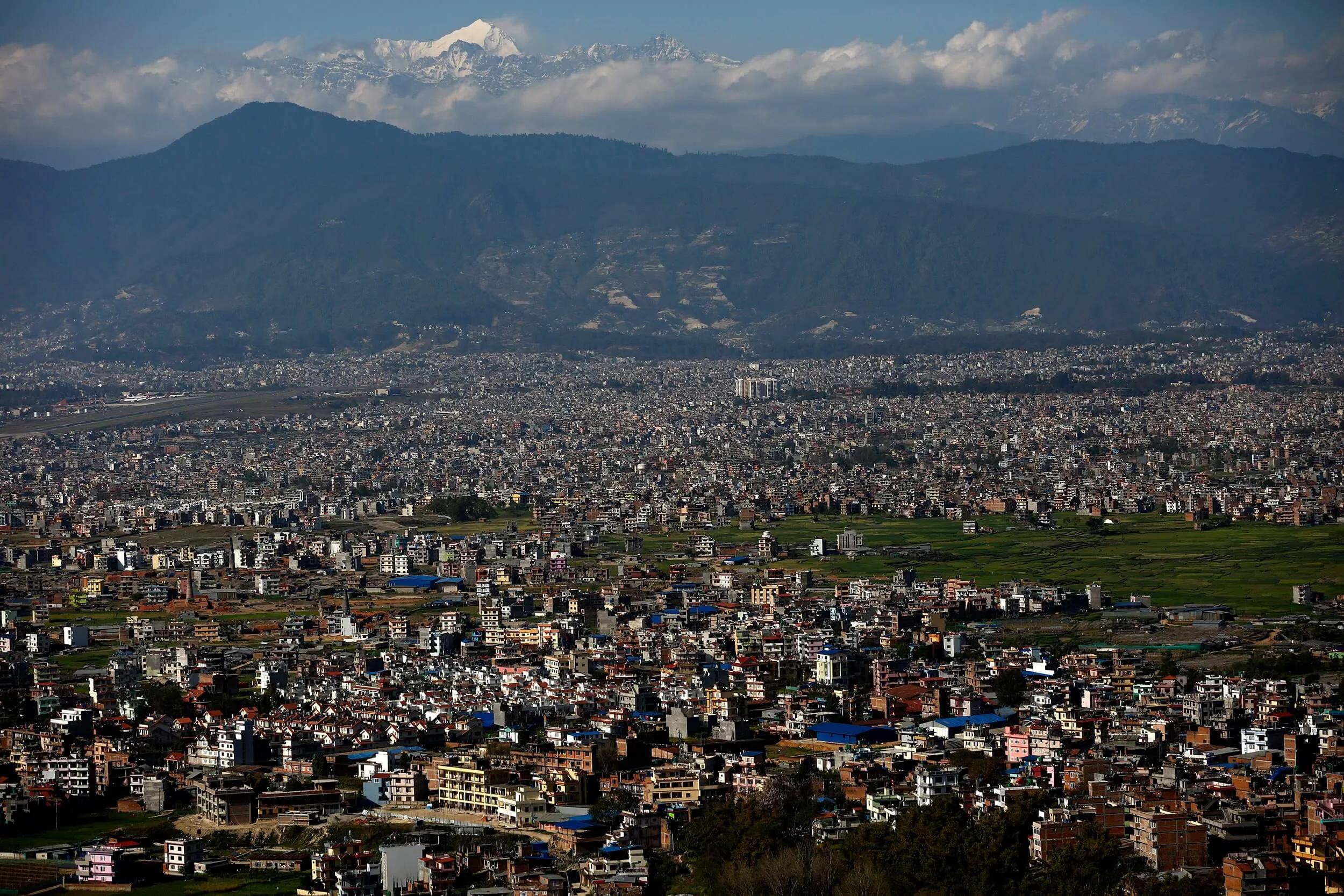
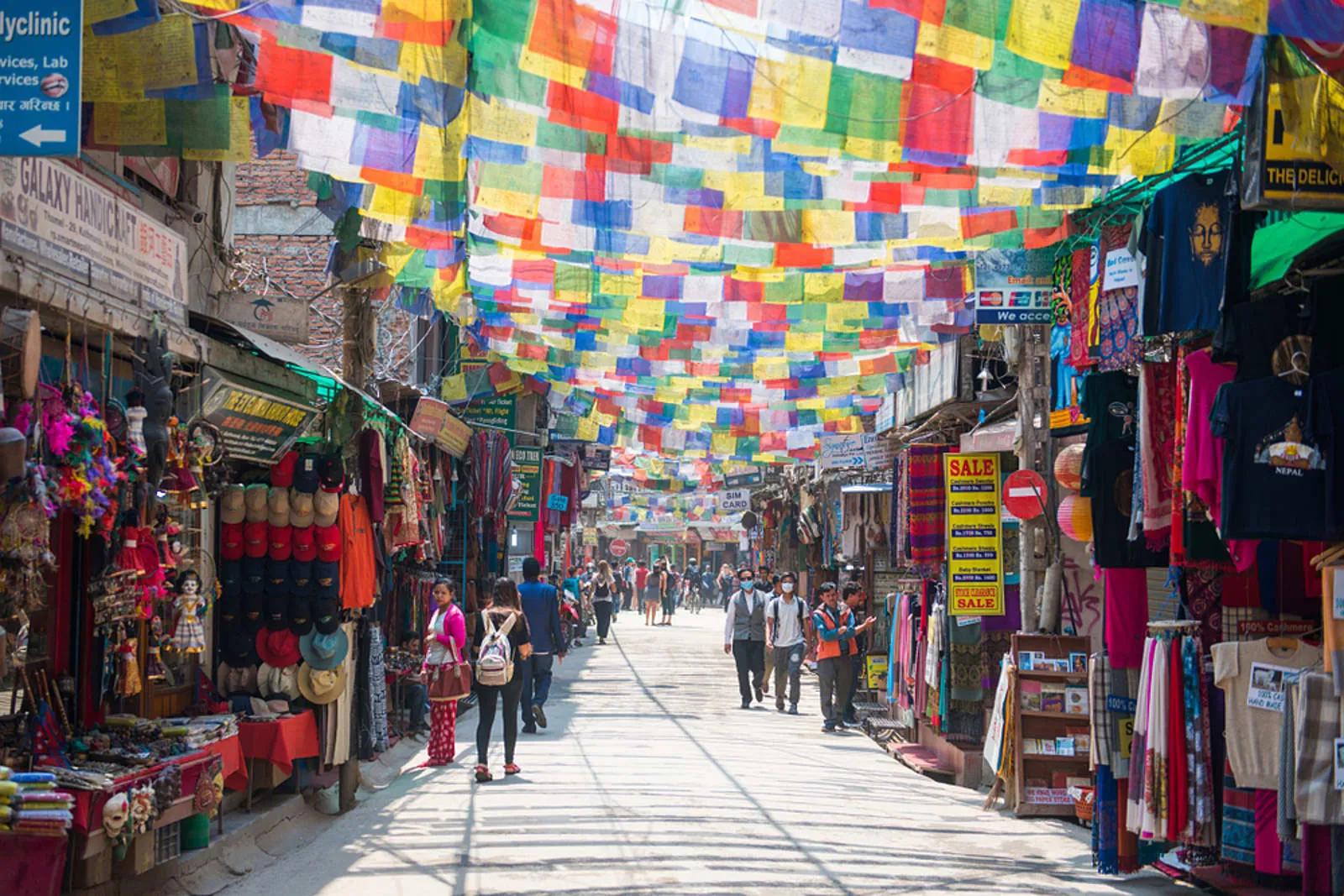
Upon arrival at Tribhuvan International Airport in Kathmandu, you will be greeted by a representative from Alpine Club of Himalaya who will drop you off at our hotel. After checking in, you take a rest or stroll around the streets of Thamel, a tourist hub in Kathmandu. In the evening, join in for a welcome dinner hosted by the Alpine Club of Himalaya.

Max. Elevation
1400m
Accommodation
Hotel
Meals
Welcome Dinner
All airport/hotel pick up and drop in private car/van
3 Nights accommodation in Kathmandu including breakfast, Twin sharing 3*
21 Nights stay in Lodge/Guest House during the trek.
An experienced English-speaking Trekking Guide and a Porter during the trek.
Salary, food, insurance, and lodging cost for guide and porter ( 2 Trekkers-1 Porter )
During the Trek, we will have Breakfast, Lunch, Dinner, and Tea/Coffee each time only.
Welcome and Farewell Meals and Breakfasts while in Kathmandu.
National Park Permit and TIMS for Everest.
Airfare from Kathmandu to Tumlingtar
Return flight From Lukla to Kathmandu
Down Jacket and Sleeping Bag that needs to be returned to the office after trek completion.
ACH Kitbag and T- shirt for you
Kathmandu Valley city tour with guide, Including entrance fees.
T
Thomas Berger
Vienna, Austria
Oct 2, 2025
A
Aisha Rahman
Kuala Lumpur, Malaysia
May 18, 2025
M
Michael Harris
Auckland, New Zealand
May 17, 2025
24/7 Support
Need help? we're at your service
Associated With


We Accept Cards

Office of the company registrar License: 66813/066/067 || Tourism Industry Division License:1142
All content and photography within our website is copyright & may not be reproduced without our permission.
Develop By: IT Sansaar