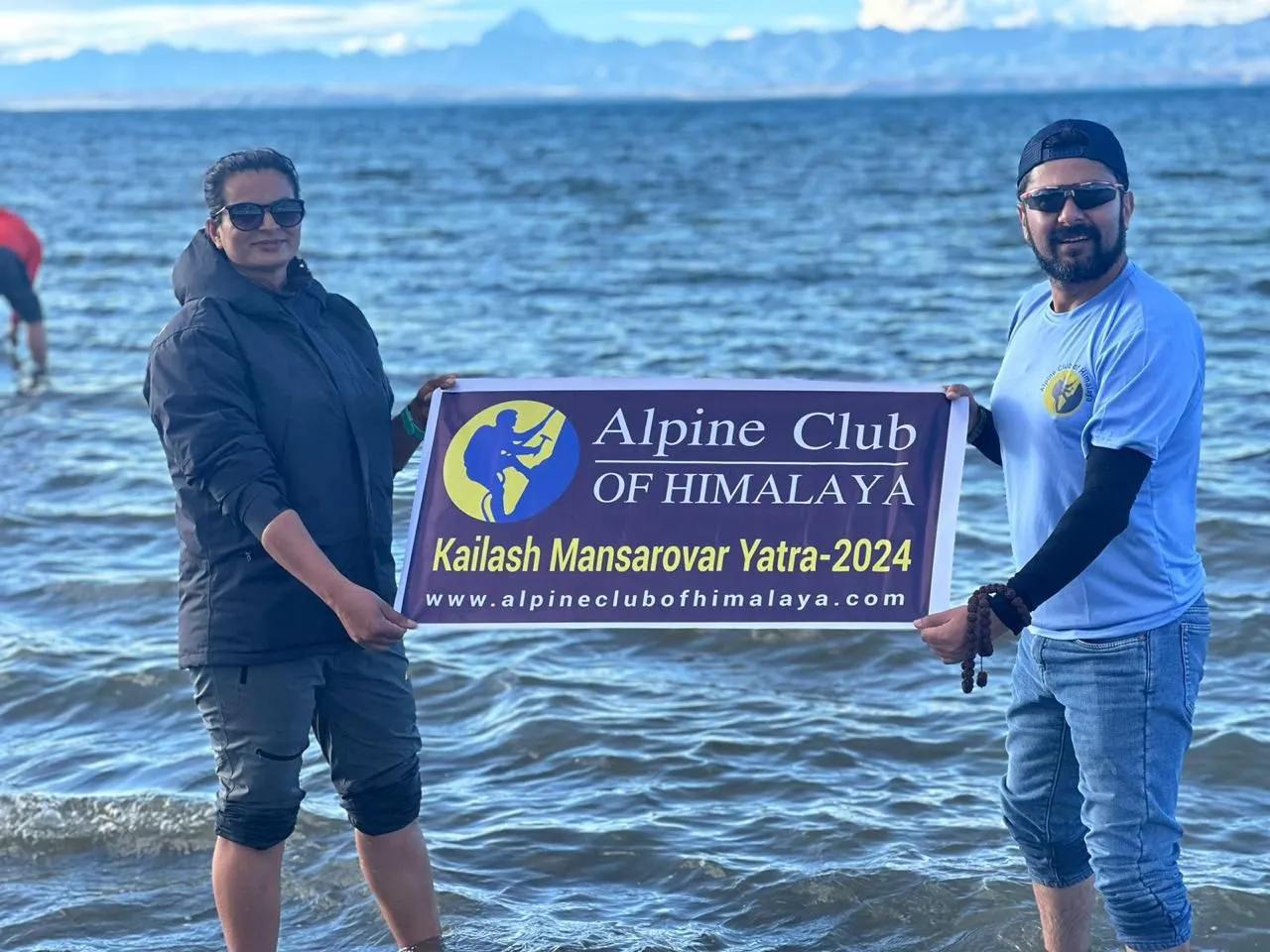
The Mount Kailash and Manasarovar Yatra – 10 Days is a deeply spiritual and transformative journey through the majestic landscapes of Tibet, where spirituality and adventure meet. This sacred pilgrimage centers on Mount Kailash, revered as the axis of the world by Hindus, Buddhists, Jains, and Bon followers. The journey also includes the pristine Lake Manasarovar, known for its spiritual significance. Pilgrims often take a holy dip in its waters, believed to cleanse sins and bring spiritual renewal.
Starting in Nepal, the yatra takes you through high-altitude passes, serene lakes, and remote monasteries, offering a rare glimpse into the vibrant culture of Tibetan Buddhism. The highlight is the Kailash Kora, a three-day circumambulation of Mount Kailash. This sacred trek is considered one of the most important spiritual rituals, and completing the Kora is believed to absolve past-life sins and guide pilgrims toward spiritual enlightenment. Along the way, you will experience stunning vistas of the Tibetan plateau, dramatic mountain ranges, and peaceful moments of reflection in this awe-inspiring landscape.
Whether undertaken for spiritual devotion or as an extraordinary adventure, the 10-day Mount Kailash and Manasarovar Yatra offers a unique opportunity to connect with both nature and the divine. The itinerary balances spiritual practices with exploration of the surrounding natural beauty, making the journey both meaningful and inspiring.
Travel with the Alpine Club of Himalaya for this once-in-a-lifetime experience, where every step brings you closer to spiritual fulfillment while discovering the breathtaking wonders of Tibet.
Best Time To Visit
The best time to visit Mount Kailash (Manasarovar Yatra) is from May to September, when the weather is most favorable for travel and trekking. During these months, the temperatures are milder, and the skies are generally clearer, offering stunning views of Mount Kailash and the surrounding landscape. The snow at high altitudes has mostly melted, making the Kailash Kora trek more accessible. Additionally, Lake Manasarovar remains unfrozen, allowing pilgrims to fully experience its spiritual and natural beauty.
- May to June: These months offer pleasant weather with moderate temperatures, making it one of the best times to visit. The pilgrimage season also starts, and the atmosphere is spiritually vibrant.
- July to September: The monsoon season affects Nepal, but Tibet remains relatively dry. The weather stays favorable for the trek, and fewer crowds make the experience more peaceful.
Avoid traveling from October to April, as harsh winter conditions make trekking difficult, and many routes may be closed due to snow.
About Mount Kailash
Mount Kailash is a sacred peak in the Tibetan Himalayas, rising to an elevation of 6,638 meters (21,778 feet). It holds deep spiritual significance for multiple religions, including Hinduism, Buddhism, Jainism, and the Bon tradition. For Hindus, it is believed to be the abode of Lord Shiva and considered the axis of the world. In Buddhism, it represents a divine mandala connected to the enlightenment of Buddha. Jains revere it as the site where their first Tirthankara attained liberation, and for Bon followers, it is seen as the center of spiritual energy.
What makes Mount Kailash unique is that it remains unclimbed, preserving its sanctity and mystery. Instead of climbing, pilgrims perform the Kailash Kora, a 52-kilometer circumambulation around the mountain, which is believed to bring spiritual purification and enlightenment. The mountain is also located near the sacred Lake Manasarovar, adding to the spiritual importance of the region.
The surrounding area offers breathtaking landscapes of the Tibetan Plateau, with snow-capped peaks, rugged terrain, and serene lakes. Its combination of natural beauty and religious significance makes Mount Kailash a symbol of spiritual awe, devotion, and mystery for those undertaking the pilgrimage.
About Lake Manasarovar
Lake Manasarovar is a sacred freshwater lake situated at an elevation of 4,590 meters (15,060 feet) on the Tibetan Plateau, near Mount Kailash. It is one of the highest freshwater lakes in the world and holds profound spiritual significance across Hinduism, Buddhism, Jainism, and Bon. Hindus believe the lake was created by Lord Brahma and regard its waters as a symbol of purity, capable of washing away sins and granting spiritual enlightenment.
For Buddhists, Lake Manasarovar is associated with the legendary Anavatapta Lake, believed to be the source of all major rivers and a place for deep meditation. In Jainism, the lake is revered as the site where Rishabhadeva, the first Tirthankara, achieved liberation.
The lake is also admired for its natural beauty, with crystal-clear waters reflecting the surrounding snow-capped peaks, including Mount Kailash. Pilgrims often take a holy dip in the lake and perform rituals along its shores. Its proximity to Mount Kailash makes it an essential stop for those undertaking the Kailash Kora pilgrimage.
Beyond its religious significance, Lake Manasarovar is a stunning natural wonder, surrounded by serene and vast landscapes. The contrast of its blue waters against the barren Tibetan Plateau creates a place of both spiritual and natural magnificence, drawing pilgrims and adventure seekers alike.
Environment
The environment around Mount Kailash and Lake Manasarovar lies deep within the remote Tibetan Plateau, often called the Roof of the World. This region sits at an average elevation of over 4,500 meters, creating a high-altitude landscape that feels vast, quiet, and almost otherworldly. The terrain is mostly arid, with wide open plains, rocky mountains, and very limited vegetation. The simplicity of the land adds to the strong spiritual atmosphere and sense of isolation that pilgrims often describe as deeply calming.
Climate
The climate in this region is cold and extreme, with noticeable temperature changes between day and night. During the summer season (May to September), daytime temperatures are generally mild, ranging between 10°C to 15°C, though nights remain cold. In winter (October to April), temperatures drop sharply, often below –20°C, and heavy snowfall makes travel difficult or impossible. For this reason, most pilgrimages take place only during the summer months.
Wildlife and Ecosystem
Despite the harsh environment, the Tibetan Plateau supports a unique ecosystem. Animals such as yaks, wild donkeys, blue sheep, and Tibetan antelopes are commonly seen grazing across the plains. Predators like snow leopards and Tibetan wolves live in the mountainous regions. Around Lake Manasarovar, migratory birds such as black-necked cranes and bar-headed geese can be spotted, especially during warmer months.
Water Sources
Lake Manasarovar and the nearby Rakshastal Lake are the main water bodies in the region. Lake Manasarovar is a freshwater lake and is considered sacred as well as ecologically important. It feeds rivers like the Sutlej River, a major tributary of the Indus. In contrast, Rakshastal Lake is a saltwater lake and creates a striking visual and symbolic contrast to Manasarovar’s pure waters.
Conservation and Environmental Care
Because of its deep religious importance and fragile ecosystem, the Mount Kailash region is carefully regulated. Pilgrims are encouraged to respect nature, avoid littering, and follow local guidelines. While the remoteness of the area has helped preserve its beauty, growing pilgrimage numbers have increased the need for responsible and sustainable travel practices.
Accommodation
Accommodation around Mount Kailash and Lake Manasarovar is simple and practical, designed to meet the basic needs of pilgrims rather than luxury comfort. Due to the remote location and high altitude, facilities are limited but sufficient for short stays.
Guesthouses and Lodges
In places like Darchen and Purang, travelers stay in basic guesthouses with simple rooms, shared bathrooms, and basic bedding. Meals are usually simple Tibetan or Chinese dishes such as soup, rice, and bread.
Teahouses Along the Kora
During the Kailash Kora, small teahouses and lodges provide shared rooms and communal facilities. Heating and hot water may be limited, but these places offer shelter and rest after long walking days.
Monastery Stays
Some pilgrims stay in monasteries, usually in dormitory-style rooms. These stays are basic but offer a unique spiritual experience and close connection to Tibetan Buddhist life.
Tented Camps
Near Lake Manasarovar, tented accommodations may be used. These provide basic sleeping arrangements and allow pilgrims to stay close to the sacred lake and natural surroundings.
Facilities and High-Altitude Adaptation
Electricity, Wi-Fi, and hot showers are very limited. Solar power is sometimes available but not reliable. Because most accommodations are at high altitude, rest and slow movement are important to support acclimatization.
Drinking Water
Natural water sources in this region are not safe to drink directly. Travelers should use water purification tablets, filters, or boiled water. Many guesthouses provide boiled water for a small fee. Carrying a reusable bottle is strongly recommended, as waste management options are limited. Staying well hydrated is essential to reduce the risk of altitude sickness.
High Altitude Sickness
High Altitude Sickness (AMS) is common due to elevations above 4,500 meters. Symptoms may include headache, nausea, dizziness, fatigue, and shortness of breath. Gradual acclimatization, proper hydration, slow walking, and avoiding alcohol help reduce risk. If symptoms worsen, rest or descent to a lower altitude is necessary. Awareness and early response are key to a safe journey.
Physical Fitness and Requirements
A moderate to good level of physical fitness is recommended for the Mount Kailash and Manasarovar Yatra. The trek involves long walking days, uneven terrain, and high altitude. Preparing with regular walking, hiking, cardio exercise, and light strength training is helpful. Mental readiness, patience, and a positive attitude are equally important for completing the pilgrimage comfortably.
Travel Insurance
Travel insurance is mandatory for this journey. It should cover high-altitude trekking, medical treatment, and emergency evacuation. Due to the remoteness of the region, medical assistance can be expensive and difficult to access. Having proper insurance ensures peace of mind throughout the yatra.
Passport and Visa
A passport valid for at least six months is required. Travelers also need a Chinese visa and a Tibet Travel Permit, which must be arranged through a registered travel agency. Independent travel is not permitted in Tibet, so permits must be handled in advance to ensure smooth entry.
Transportation
Transportation during the Mount Kailash and Manasarovar Yatra is generally arranged on a sharing basis, making the journey economical and socially engaging. For those who prefer private transport, a minimum group size is required. All vehicles are selected to handle long-distance and high-altitude travel safely.
Restrictions and Permissions
Travel in Tibet is regulated. Visitors must follow local laws, respect religious sites, and follow photography restrictions near monasteries. Carrying identification at all times is required, and occasional security checks are normal. Environmental responsibility is strongly emphasized in this sacred region.
Why Choose This Trip with Alpine Club of Himalaya?
Choosing Alpine Club of Himalaya means traveling with an experienced team that understands both the spiritual importance and physical demands of the Mount Kailash and Manasarovar Yatra. From permit handling and logistics to knowledgeable guides and careful planning, every detail is managed so you can focus on your pilgrimage. With small groups, ethical practices, and respect for local culture and environment, the journey is designed to be safe, meaningful, and spiritually fulfilling.