M
Matthew Cooper
Toronto, Canada
Aug 14, 2025

This trek had fewer crowds than the Everest Base Camp route, yet the scenery was just as spectacular—maybe even better.
Destination
Nepal
Duration
12 Days
Best Weather
March, April, may, September, October & November
Max Altitude
5483 (Gokyo Ri)
Accommodation
Hotel and Guesthouse
Meals
Full Board
Transportation
Private vehicle / Flights
Group
Min 1 pax
Difficulty
Easy
Activities
Trekking
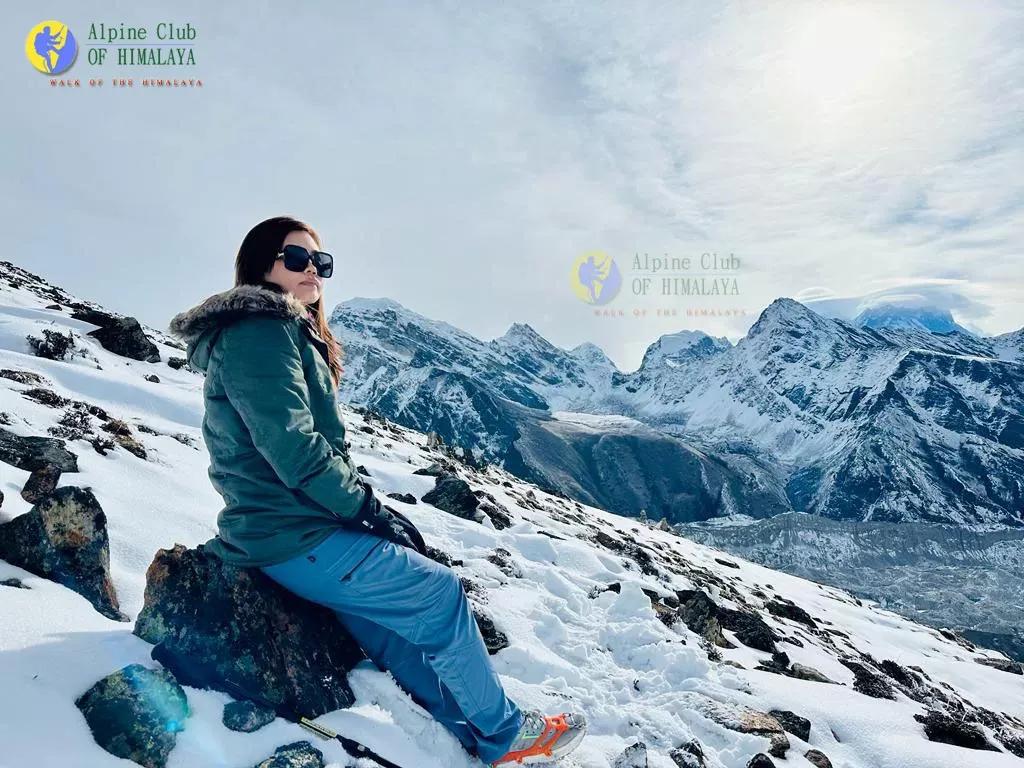
The Gokyo Valley Trek offers a spectacular alternative to the popular Everest Base Camp Trek. It takes you through a pristine valley west of Mount Everest, leading to the traditional Sherpa village of Gokyo and a series of five sacred glacial lakes beside the Ngozumpa Glacier—the largest glacier in Nepal and one of the longest in the Himalayas. Along the way, trekkers are rewarded with stunning views of Everest, Lhotse, Cho Oyu, Makalu, Cholatse, and Taboche, as well as serene landscapes far from crowded trails. Unlike the busier Everest Base Camp route, this trek offers quieter paths, intimate cultural encounters with Sherpa communities, and peaceful moments by the emerald lakes. A climb to Gokyo Ri at 5,360 meters provides a breathtaking panoramic view of the surrounding peaks and the vast Ngozumpa Glacier below.
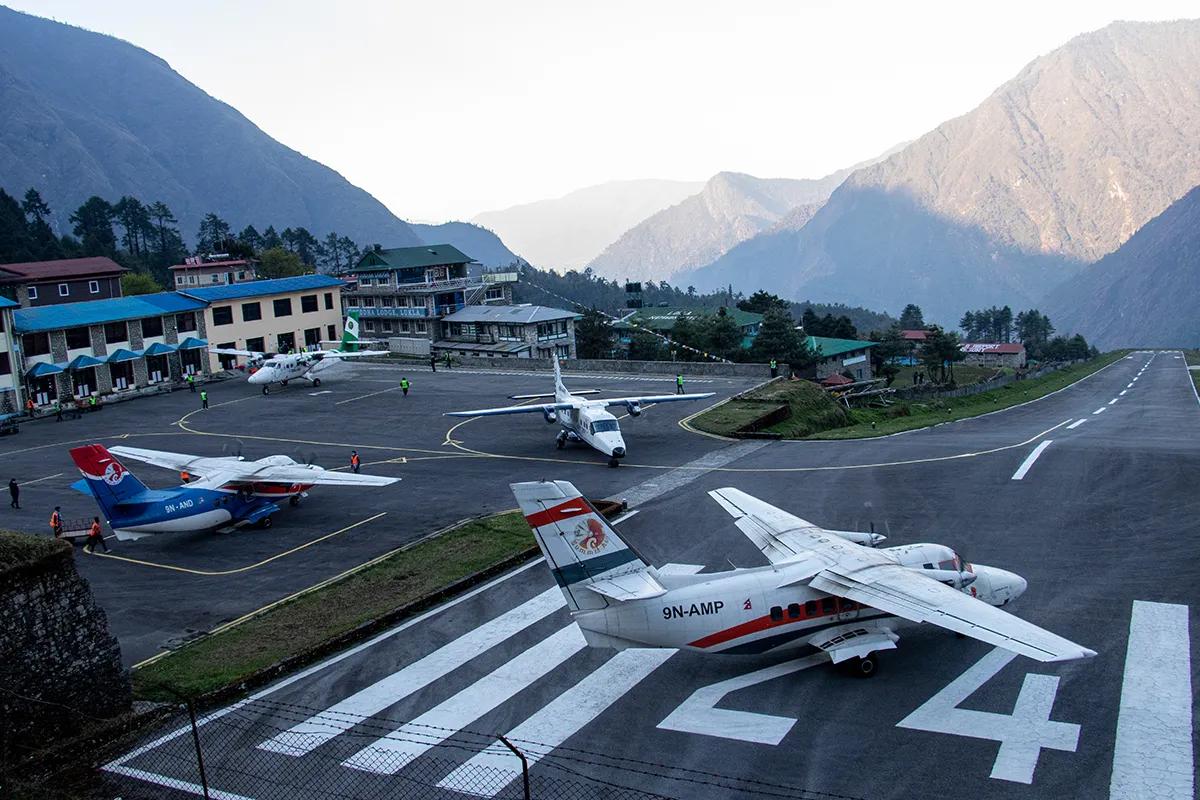
The trek starts with a scenic mountain flight from Kathmandu to Lukla, a small airstrip perched on a hill that serves as the gateway to the Everest region. From Lukla, the trail descends gently to Phakding, where Mount Khumbila rises majestically. Revered as the “God of Khumbu,” this sacred peak remains unclimbed and is deeply significant to the Sherpa people.
From Phakding, the trail passes through lush forests and charming villages, leading to Namche Bazaar, the vibrant Sherpa capital and economic hub of the region. Here, trekkers have time to acclimatize, explore local shops and cafes, and immerse themselves in Sherpa culture. The trail then continues toward Phortse Thenga, a peaceful riverside village known for its traditional lifestyle and scenic beauty.
Leaving Phortse Thenga, the trail climbs along ridges with impressive views of Kangtega and Cho Oyu. As you gain altitude, the landscape transitions from forests to high alpine terrain, following the terminal moraine of the Ngozumpa Glacier. Machhermo, a small village perched on the mountainside, is the next stop. Here, trekkers can experience the rugged charm of the high Himalayas before continuing toward Gokyo. The trail crosses icy streams and rocky terrain to reach this serene lakeside settlement.
At Gokyo, two days are spent exploring the natural and cultural highlights of the region. Begin with the turquoise lakes near the village, then trek to the third lake, followed by the fourth and fifth lakes further north. A special highlight is the ‘Scoundrel’s Viewpoint’ at the edge of the fifth lake, offering extraordinary views of Cho Oyu, Gyachung Kang, Everest, Lhotse, Nuptse, Makalu, and the vast Ngozumpa Glacier.
The second day at Gokyo is dedicated to climbing Gokyo Ri, a non-technical ascent reaching 5,360 meters. The climb is challenging due to the altitude, but the slow, steady hike rewards trekkers with one of the most spectacular panoramic views in the Himalayas. From the summit, you can admire the majestic mountains and sweeping glacier below, creating memories that will last a lifetime.
After enjoying Gokyo and its lakes, the trek retraces the route back through Dole and Namche Bazaar, passing Sherpa villages, rhododendron forests, and scenic valleys to reach Lukla. A final scenic flight returns you to Kathmandu, completing a journey through some of Nepal’s most stunning and culturally rich landscapes. The Gokyo Valley Trek – 12 Days is ideal for trekkers seeking a quieter, authentic experience, with comfortable teahouse accommodations along the way.
The optimal trekking seasons for the Everest region, including Gokyo Valley, are autumn (September to November) and spring (March to May). During autumn, the skies are usually clear, visibility is excellent, and daytime temperatures are comfortable, making it an ideal time for trekking and photography. Spring offers a burst of natural colors as rhododendrons, orchids, and other alpine flora bloom across the landscape, set against snow-capped peaks and blue skies.
Monsoon season (June to August) is generally avoided due to heavy rains, frequent landslides, and muddy trails, which make trekking difficult and potentially dangerous. Winter months (December to February) bring heavy snowfall, restricting access to higher regions and making many trails impassable.
The Gokyo Valley Trek is classified as a moderate to challenging trek due to the high altitudes and varied terrain. The trail includes steady ascents and descents, rocky paths, and glacial moraines, with altitudes reaching over 5,300 meters at Gokyo Ri. Trekkers should be prepared for long days of hiking, often ranging between 5 to 7 hours, over uneven and sometimes steep terrain. While no technical climbing skills are required, the high elevation and physical demands make it essential to be well-prepared.
To enjoy the Gokyo Valley Trek safely and comfortably, a good level of physical fitness is necessary. Regular cardiovascular exercise such as hiking, running, cycling, or swimming before the trek is highly recommended. Building stamina through practice hikes with a loaded backpack will help condition your body for the trail’s demands. Trekking at high altitude requires endurance, strength, and mental resilience, so preparing your body with a fitness regimen that focuses on aerobic capacity, leg strength, and flexibility is beneficial. Prior trekking experience is an advantage but not mandatory.
Altitude sickness is a serious concern on the Gokyo Valley Trek, as the route reaches elevations above 5,000 meters. Common symptoms include headaches, dizziness, nausea, fatigue, and shortness of breath. To minimize risks, acclimatization days are built into the itinerary, especially in Namche Bazaar and Gokyo. It is crucial to ascend slowly, stay hydrated, eat nutritious food, and listen to your body’s signals. Carrying medications such as Diamox (acetazolamide) can help, but should only be taken after consulting a healthcare professional. Avoid alcohol and smoking during the trek. Trekking with experienced guides from Alpine Club of Himalaya ensures constant monitoring of health conditions and quick responses to altitude-related issues.
In the event of severe altitude sickness or any medical emergency, the evacuation process is well-organized and efficient. Helicopter evacuation services are readily available from key points such as Gokyo, Namche Bazaar, or Lukla, depending on your location. The cost of helicopter evacuation is generally not included in the trek package, so trekkers are strongly advised to have comprehensive travel insurance covering emergency evacuation and medical treatment. Guides and porters from Alpine Club of Himalaya are trained to handle emergencies, coordinate evacuation logistics, and provide first aid until professional medical help arrives. Quick evacuation can be life-saving, especially for severe cases of altitude sickness or injury.
Wi-Fi connectivity and electricity availability on the Gokyo Valley Trek vary depending on the location and season. In larger villages like Namche Bazaar and Lukla, most teahouses, lodges, and hotels offer Wi-Fi services for a small fee. However, the signal can be slow and unreliable due to the remote mountainous environment. Along the higher and more remote sections of the trek, such as Gokyo and Machhermo, Wi-Fi is often limited or unavailable. Electricity is generally supplied by solar panels or generators at most tea houses, but power cuts can occur, especially during bad weather. It’s advisable to carry portable power banks and chargers compatible with Nepal’s electrical outlets (230V, 50Hz, Type C, D, and M plugs) to keep your devices charged throughout the trek.
The Everest region is well-prepared to meet the needs of international trekkers, offering a wide variety of meal options in tea houses and lodges along the trail. You will find menus featuring Nepali, Tibetan, Indian, Western, and continental cuisines, ensuring that every palate is satisfied. Traditional dishes such as dal bhat (lentil soup with rice), momos (steamed or fried dumplings), and thukpa (warm noodle soup) are staples, alongside a selection of breads, soups, and freshly baked goods.
· Breakfast: Start your day with a variety of choices such as Tibetan bread (fried bread), chapati (flatbread), eggs prepared in different styles, vegetable curry, porridge, cornflakes, pancakes, oats, muesli, and freshly baked pastries. These are typically served with hot tea or coffee to warm you up for the day ahead.
· Lunch: Enjoy hearty meals including dal bhat, momos, thukpa noodle soup, fried rice, sandwiches, various soups, and occasional Western dishes like pizza or pasta. Lunch provides the energy needed for afternoon trekking.
· Dinner: Similar to lunch, dinner features nourishing options such as Sherpa stew, thukpa, steamed vegetables, and other comforting meals. Many tea houses also offer desserts like rice pudding, apple pie, and other sweet treats to end your day on a delightful note.
This diverse food selection caters to different tastes and dietary preferences, helping trekkers maintain strength and stamina throughout the demanding journey.
Access to safe drinking water is critical at high altitude to stay healthy and hydrated. Most tea houses provide boiled or filtered water for purchase, but to ensure maximum safety, trekkers are advised to carry water purification tablets, chlorine drops, or use solar water disinfection methods (SODIS). Using these purification techniques not only protects your health but also significantly reduces plastic waste by minimizing reliance on bottled water—an important consideration for responsible trekking in fragile mountain environments.
Accommodation during the Gokyo Valley Trek varies from basic, traditional teahouses to more comfortable lodges, depending on the location along the trail. In smaller villages and remote areas, you will stay in simple teahouses that provide twin-sharing rooms equipped with essential amenities such as beds, pillows, blankets, and basic furniture like a chair or small table. These lodges offer a warm and welcoming atmosphere, reflecting the authentic mountain hospitality of the Sherpa people.
As you approach larger settlements such as Namche Bazaar and Gokyo, accommodation options improve significantly, with more spacious rooms, better heating, and sometimes even hot showers available. Showers are commonly available but may incur an additional charge at some stops, so it is advisable to carry some extra cash. For trekkers who prefer a closer-to-nature experience, camping sites are also available along certain parts of the trail, equipped with tent setups and basic facilities arranged by the trekking company.
Alpine Club of Himalaya ensures your lodging is comfortable and safe throughout the trek, matching your preferences and budget, so you can rest well after each day of trekking and prepare for the next.
Alpine Club of Himalaya strongly advises all trekkers to obtain comprehensive travel insurance before beginning their trek. A suitable insurance policy should cover essential aspects such as emergency evacuation, high-altitude rescue, personal injury, hospitalization, and repatriation. High-altitude trekking carries inherent risks, and having robust insurance coverage provides peace of mind and financial protection in case of unforeseen incidents.
We recommend selecting insurance plans from reputable providers that explicitly include coverage for helicopter rescue and medical emergencies at high elevations, ensuring you are well-protected throughout your adventure in the Himalayas.
All visitors planning to trek in Nepal must possess a valid passport with at least six months’ validity from the date of entry. Tourist visas are required for most nationalities and can be obtained easily in advance from Nepalese embassies or consulates in your home country.
Alternatively, visas are available on arrival at Tribhuvan International Airport in Kathmandu for most travelers. Visa fees vary depending on the length of stay, and payment is usually accepted in cash (USD, Euros, or other major currencies). It is important to check current visa regulations prior to travel to ensure smooth entry into Nepal.
While trekking in the remote and stunning Gokyo Valley, access to modern conveniences like Wi-Fi and electricity varies significantly along the trail. Most teahouses and lodges in larger villages such as Namche Bazaar, Machhermo, and Gokyo offer Wi-Fi services, although the connection can be slow or intermittent due to the remote location and limited infrastructure. Some places may provide Wi-Fi free of charge, while others charge a small fee for internet access.
It’s important to note that internet availability becomes less reliable as you move to more isolated or higher altitude villages. Therefore, it is advisable to inform your family or friends beforehand about limited connectivity during certain parts of the trek.
Regarding electricity, most lodges and teahouses are equipped with basic electrical facilities powered by solar panels or local micro-hydropower plants. However, power outages are common, especially in bad weather or during peak usage times. Electricity is generally available for charging electronic devices such as cameras, phones, and headlamps, but it may be limited to certain hours of the day, usually in the evening.
To ensure uninterrupted use of your electronic devices, carrying a portable power bank is highly recommended. Additionally, having universal travel adapters compatible with Nepali plugs (types C, D, and M) will help you stay connected and powered throughout your journey.
Alpine Club of Himalaya advises all trekkers to prepare for variable connectivity and power availability during the Gokyo Valley Trek, so you can enjoy the spectacular natural surroundings without worrying about technology interruptions.
For solo trekkers, Alpine Club of Himalaya provides a dedicated guide who also serves as your porter, helping carry your personal gear and navigating the trekking trails safely. This dual role ensures you have expert support and assistance throughout your journey. For groups of two or more trekkers, we allocate additional guides and porters as needed to meet the demands of the group size, guaranteeing adequate support, safety, and comfort for everyone.
Our guides are highly experienced, English-speaking professionals who offer invaluable insights into the region’s culture, history, and natural environment. Meanwhile, porters are skilled at carrying heavy loads, easing your physical burden so you can enjoy the trek with less fatigue.
Alpine Club of Himalaya takes full responsibility for organizing all transportation required during your trekking journey in Nepal. This includes airport transfers, domestic flights such as the scenic Lukla flight, and any road transfers between cities, towns, and trailheads. Depending on your preferences and group size, we offer both private and shared vehicle options for transfers within Nepal, allowing you to choose the level of comfort and convenience you desire.
Our experienced logistics team coordinates these arrangements carefully to provide a smooth, hassle-free travel experience so you can focus fully on the trekking adventure ahead.
While your trekking package with Alpine Club of Himalaya typically includes full board meals (breakfast, lunch, and dinner) and accommodations as per your itinerary, it is important to budget for extra personal expenses that may arise during your trek. These can include snacks and beverages beyond your meals, such as bottled water, soft drinks, or tea; phone calls or internet usage; laundry services; tips for guides and porters; and souvenirs or gifts purchased in local villages.
Because these costs can vary greatly depending on personal choices and the length of your trek, we recommend carrying sufficient Nepalese currency or a mix of cash and card options to cover any incidental expenses. Having extra funds available ensures you enjoy the trek without worry and are able to handle unexpected needs comfortably.
Trekking in the Gokyo Valley requires two main permits:
The Sagarmatha National Park permit is available at the Nepal Tourism Board office in Kathmandu or at the park entrance gate in Monjo. The standard fee is NPR 3,000, with a discounted rate of NPR 1,500 for citizens of SAARC countries. Applicants must present a valid passport or a photocopy to obtain this permit.
The Khumbu Pasang Lhamu Rural Municipality permit costs NPR 2,000 and is issued at the rural municipality office near Lukla. To simplify the process, Alpine Club of Himalaya ensures all permits are arranged in advance, so trekkers can focus fully on their adventure without concerns about paperwork.
The Gokyo Valley Trek offers a remarkable alternative to the classic Everest Base Camp route, delivering an extraordinary blend of breathtaking natural scenery and deep cultural immersion. Unlike the busier Everest trail, this trek takes you through quieter, less frequented paths that wind through peaceful woodlands, across expansive glacial lakes, and over rugged alpine terrain.
The trek highlights spectacular views of some of the world’s highest peaks including Everest, Cho Oyu, Lhotse, and Makalu, while passing through authentic Sherpa villages where traditional customs and lifestyles continue to flourish. This unique combination of raw wilderness and cultural richness allows trekkers to connect meaningfully with the local communities and environment, far from the crowds of mainstream trekking routes.
Joining the Gokyo Valley Trek with Alpine Club of Himalaya means experiencing this pristine, unspoiled region with the guidance and support of seasoned professionals, creating memories that will last a lifetime.
The gateway to the Gokyo Valley Trek is the famous Tenzing-Hillary Airport in Lukla, perched at 2,860 meters above sea level. Most trekkers reach Lukla by taking a domestic flight from Kathmandu or, during peak seasons, from Ramechhap Airport. These short flights, lasting about 25–35 minutes, offer breathtaking views of the Himalayas and serve as the starting point for this unforgettable journey.
In the off-season months (typically winter and monsoon), flights depart directly from Tribhuvan International Airport (TIA) in Kathmandu. Multiple domestic airlines such as Tara Air, Summit Air, and Sita Air operate these routes early in the morning to maximize good weather conditions. However, during the busy trekking seasons of spring and autumn, congestion at Kathmandu’s airport means flights are often rerouted through Ramechhap for smoother scheduling.
In peak trekking months, many flights to Lukla operate from Ramechhap Airport, located about 4 to 5 hours by road from Kathmandu. Trekkers usually depart Kathmandu late at night or very early in the morning to catch the Lukla-bound flights that take advantage of the short window of good weather conditions. Though this adds extra travel time, it significantly improves the chances of getting a timely flight to Lukla.
Lukla’s remote location and short mountain runway make flights vulnerable to weather disruptions. Fog, wind, and low visibility often cause delays or cancellations, even in peak seasons. To avoid stress, Alpine Club of Himalaya recommends allowing at least 1–2 buffer days at the end of your trek to accommodate any flight delays before your international departure from Kathmandu.
If delays occur, our team assists with rebooking flights or arranging helicopter transfers for faster evacuation at an additional cost, ensuring your safety and comfort.
For those seeking flexibility or a unique experience, helicopter transfers can be arranged. You can opt for a helicopter ride from Kathmandu to Lukla at the trek’s start, which operates in slightly more varied weather conditions than fixed-wing flights. After the trek, a popular choice is the helicopter flight from Gorak Shep to Lukla, allowing you to skip the long return trek. For even greater convenience, direct helicopter transfers from Gorak Shep to Kathmandu can be organized, providing spectacular aerial views and saving valuable time. Group-sharing options are available to reduce costs.
If you prefer to avoid flying, overland routes starting from Jiri or Salleri offer a traditional and scenic alternative. These routes follow the original paths used by early Everest expeditions, adding several days of trekking through beautiful lower-altitude villages and lush forests. Though time-consuming, this option offers excellent acclimatization and a rich cultural experience. Private or public transport can get you to Jiri or Salleri from Kathmandu.
The Gokyo Valley Trek is best undertaken in spring (March to May) or autumn (late September to November), when the weather is stable, skies are clear, and temperatures are moderate. The summer monsoon season (June to early September) brings heavy rain, slippery trails, and dense clouds, which can limit views and make trekking difficult. Winter (December to February) is cold, with possible snow at higher elevations but fewer trekkers on the trail.
Temperatures vary widely from day to night, so layering is essential. Weather can change quickly in the mountains, so be prepared for sudden rain, snow, or wind at any time.
At Alpine Club of Himalaya, we believe that trekking and travel should benefit not only our guests but also the local communities and environment we visit. Responsible tourism is at the core of our operations, guiding us to minimize negative impacts while maximizing positive contributions to the natural and cultural heritage of Nepal.
1. Environmental Responsibility:
We prioritize sustainable trekking practices to protect the fragile mountain ecosystems. Our guides and porters strictly follow the principles of “Leave No Trace,” ensuring that all waste is carried back and properly disposed of. We discourage the use of plastic bottles and encourage reusable alternatives. Additionally, we support local conservation efforts and educate our clients about the importance of preserving biodiversity and natural landscapes during their journey.
2. Supporting Local Communities:
Our treks involve hiring local guides, porters, and staff, providing fair wages, insurance, and safe working conditions. By doing so, we help create sustainable livelihoods in remote mountain villages. We also collaborate with local businesses, including teahouses, lodges, and shops, promoting authentic experiences and economic development that directly benefit the Sherpa and other ethnic communities.
3. Cultural Respect:
We encourage our trekkers to engage respectfully with local customs, traditions, and religious sites. Understanding and honoring local culture enriches the trekking experience and fosters mutual respect between visitors and host communities. Our guides play a key role in educating travelers on cultural etiquette and responsible behavior.
4. Education and Awareness:
Alpine Club of Himalaya actively raises awareness about responsible tourism practices among our clients and partners. We provide pre-trek briefings on how to minimize environmental footprints, respect wildlife, and support ethical tourism. Our commitment extends beyond individual treks—we aim to promote long-term sustainability in Nepal’s tourism industry.
Through responsible tourism, Alpine Club of Himalaya strives to protect Nepal’s natural beauty and cultural heritage for future generations while providing enriching, safe, and meaningful experiences for our guests.
The Gokyo Valley Trek is renowned for offering some of the most spectacular and less crowded Himalayan panoramas in Nepal. Throughout the trek, you’ll be surrounded by majestic snow-capped peaks, glacial lakes, and pristine alpine landscapes that create an unforgettable experience for nature lovers and photographers alike.
One of the trek’s highlights is the stunning view from Gokyo Ri (5,357 meters), a viewpoint that provides a breathtaking 360-degree panorama of the Everest region’s highest mountains. From here, you can admire the grandeur of Mount Everest (8,848m), Lhotse, Makalu, Cho Oyu, and the dazzling turquoise Gokyo Lakes below. Unlike the busier Everest Base Camp trail, the Gokyo Valley Trek allows you to soak in these majestic views with fewer crowds, enhancing the sense of tranquility and wilderness.
Along the route, you will also enjoy glimpses of the Ngozumpa Glacier—the largest glacier in Nepal—as well as spectacular vistas of Ama Dablam, Thamserku, and other iconic peaks. The harmonious blend of serene lakes, towering mountains, and Sherpa culture makes this trek a unique Himalayan adventure.
The Gokyo Valley Trek can be arranged even at short notice thanks to the efficient coordination by Female Guide Holiday. Whether you are already in Kathmandu or planning your trip from abroad, we can quickly organize permits, domestic flights to Lukla, accommodations, and trekking logistics to ensure a smooth start.
While it’s always best to book in advance—especially during the busy spring and autumn seasons—to secure your preferred travel dates and flight schedules, last-minute bookings remain possible. We recommend being flexible with your travel plans to accommodate any availability constraints. Our team is experienced in handling urgent arrangements, so you can still enjoy this incredible trek without long delays.
To ensure you are fully prepared for the Gokyo Valley Trek, Alpine Club of Himalaya offers an online pre-trek briefing before your arrival in Nepal. This detailed session covers everything you need to know: itinerary highlights, packing recommendations, altitude sickness prevention, safety protocols, weather conditions, and gear advice tailored to your fitness level and trekking experience.
The briefing also provides a chance to ask any questions and clarify doubts about the trek, permits, and travel arrangements. This preparation helps you feel confident and ready to begin your adventure stress-free, making the most of your time in the Himalayas.
1 - Devo Boutique Hotel, Thamel, Kathmandu (or similar)
2 - Tribhuvan International Airport (TIA), Kathmandu
3 - Alpine Club of Himalaya Pvt. Ltd
4 - Within Thamel, Kathmandu
Before setting out on the Gokyo Lake Trek, it is essential to be well-prepared both physically and logistically. This 12-day journey takes you deep into the heart of the Everest region, offering breathtaking views of Mount Everest, Lhotse, Cho Oyu, and the turquoise Gokyo Lakes. Along the way, you will experience the warm hospitality and rich culture of the Sherpa people while trekking through diverse landscapes that range from lush valleys to high-altitude glacial terrain.
The trek is moderately challenging, reaching altitudes above 5,000 meters at Gokyo Ri, so a reasonable level of fitness and stamina is recommended. Prior hiking experience is helpful but not mandatory. To ensure comfort and safety, pack suitable trekking gear, including layered clothing for changing mountain weather, well-broken-in trekking boots, and quality cold-weather accessories. Consulting your doctor about altitude-related medications can be beneficial.
With Alpine Club of Himalaya’s expert guides, experienced porters, and reliable support staff, you can focus on enjoying the scenery while we take care of all the logistics. Our decades of trekking expertise ensure that your adventure will be safe, well-organized, and culturally enriching—allowing you to fully immerse yourself in the beauty of the Gokyo Valley.
If you decide to cancel your booking for the Gokyo Lake Trek, the following charges will apply:
These charges are necessary to cover pre-booked expenses such as domestic flights, trekking permits, and accommodations.
In the unlikely event that Alpine Club of Himalaya must cancel the trek due to weather conditions, political unrest, natural disasters, or safety concerns, you will be offered one of the following options:
We make such cancellations only when absolutely necessary, and your safety remains our highest priority at all times.
Alpine Club of Himalaya cannot be held responsible for delays, cancellations, or additional expenses resulting from force majeure events, which include but are not limited to:
In such cases, any personal costs incurred—such as extra hotel stays, rerouted transportation, or insurance claims—will be the responsibility of the participant.
We strongly recommend that all trekkers purchase comprehensive travel insurance before joining the Gokyo Lake Trek. This should cover high-altitude trekking, emergency medical evacuation, trip cancellations, and force majeure events to ensure your safety, financial protection, and peace of mind throughout the journey
Quick Facts
Your Gokyo Valley Trek – 12 Days begins early in the morning with a scenic flight from Kathmandu to Lukla, the main entry point to the Everest region. This short flight of about 30 minutes is an experience in itself. Along the way, you can enjoy clear aerial views of snow-covered mountains, deep valleys, and winding rivers, offering a memorable start to the journey.
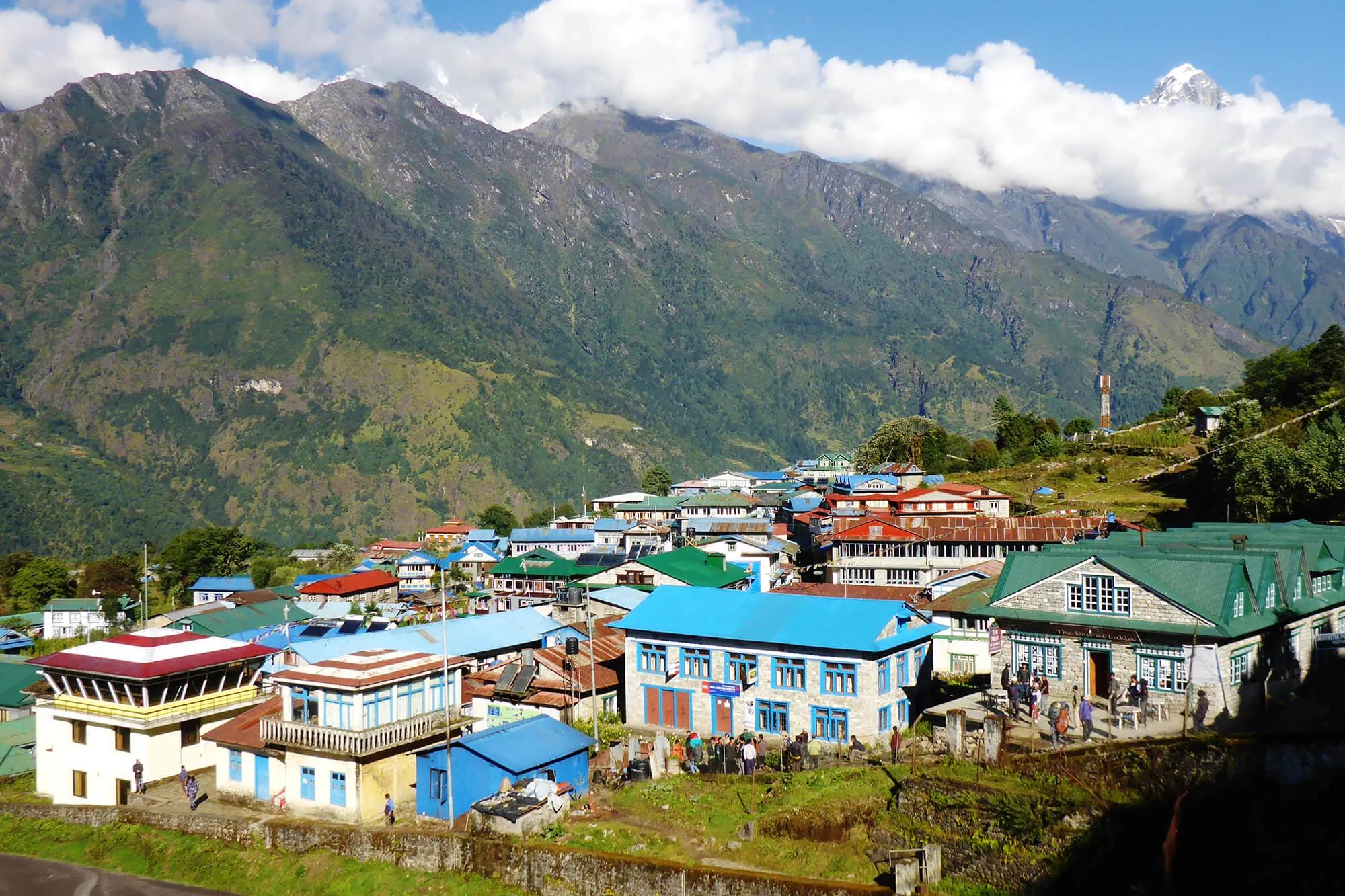
After landing at Lukla Airport, you will meet your trekking guide and support team. Once preparations are complete and bags are organized, the trek begins. The trail gently descends from Lukla, passing through small farms and green forests.
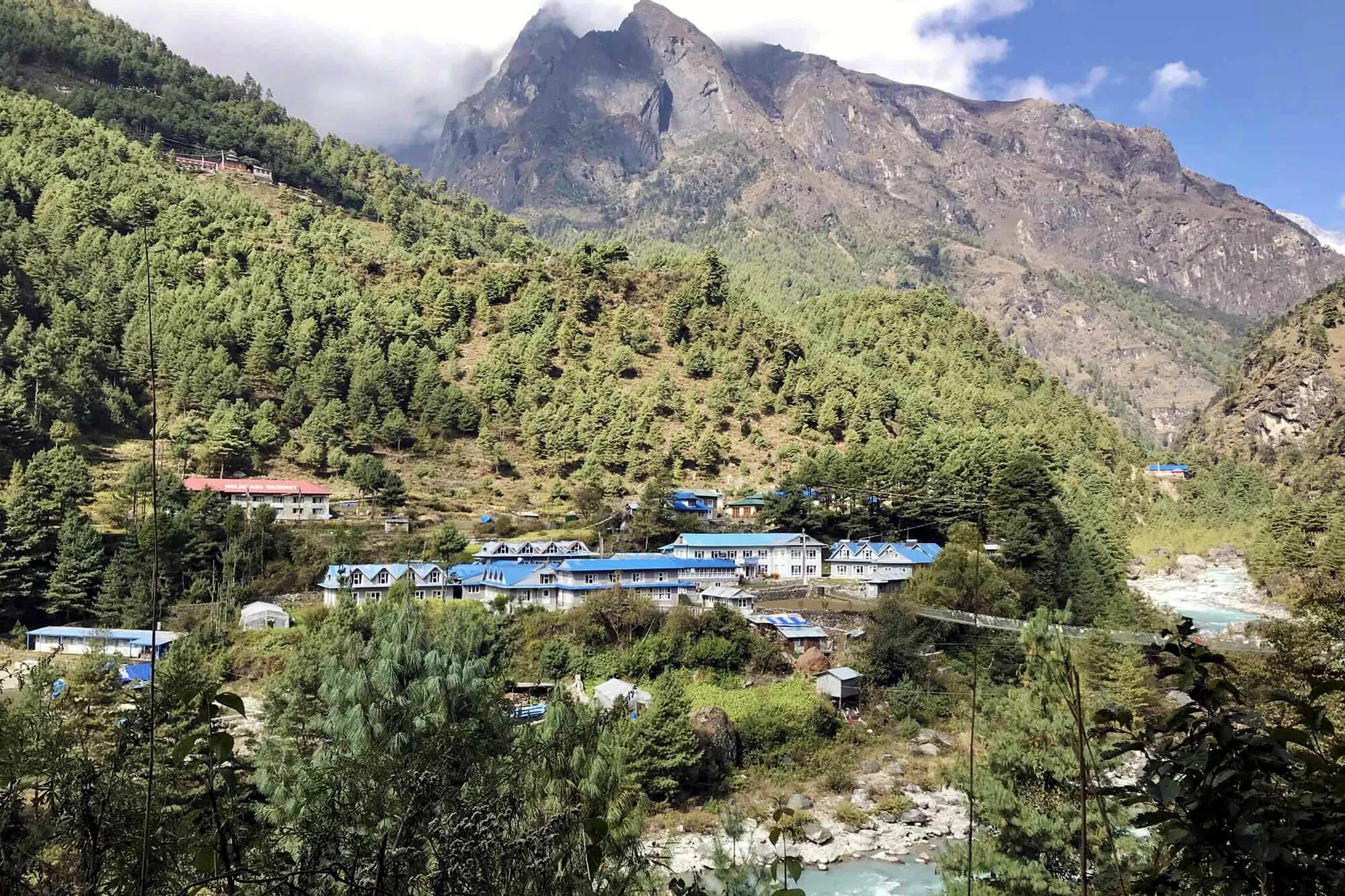
Soon, you reach the village of Cheplung, where you can see Mount Khumbila rising above the landscape. This mountain is considered sacred by the Sherpa people and is known as the “God of Khumbu.” Because of its religious importance, it remains unclimbed. The walk continues through rhododendron and pine forests on a mostly downhill path until you arrive at Phakding.
Phakding is a quiet and welcoming village along the Dudh Koshi River. It is a common first overnight stop in the Everest region, offering a comfortable place to rest and adjust before continuing deeper into the mountains the next day.
Max. Elevation
2800m
Duration
30 minutes flight, 2-3 hours trek
Accommodation
Guesthouse
Meals
Breakfast, Lunch, Dinner
Airport and Hotel Transfers: All required airport and hotel pick-up and drop-off services are provided in a private car or van for your comfort.
Kathmandu Hotel Stay: One night of accommodation in Kathmandu at a 3-star standard hotel on a twin-sharing basis, including breakfast.
Teahouse Accommodation During the Trek: Eleven nights of stay in local teahouses along the Gokyo Valley Trek, based on shared rooms with shared bathroom facilities.
Experienced Trekking Guide and Porter Service: Services of an experienced, English-speaking trekking guide and porter throughout the trek.
Guide and Porter Expenses Covered: All costs for the guide and porter are included, such as salary, food, accommodation, and insurance, with one porter shared between two trekkers.
All Meals During the Trek: Daily breakfast, lunch, and dinner during the trek, along with tea or coffee at each mealtime.
Meals in Kathmandu: Farewell dinner and breakfasts while staying in Kathmandu.
Required Trekking Permits: National Park entry permit and TIMS (Trekkers’ Information Management System) card for trekking in the Everest region.
Domestic Flights to Lukla: Round-trip airfare from Kathmandu to Lukla and back, including all applicable domestic flight taxes.
Trekking Equipment Use: Use of a down jacket and sleeping bag during the trek, which must be returned after the trek is completed.
Trekking Gear Provided: Alpine Club of Himalaya kit bag and T-shirt for each trekker.
Local SIM Card: One Ncell SIM card per group with a 20 GB data package for communication during the trek.
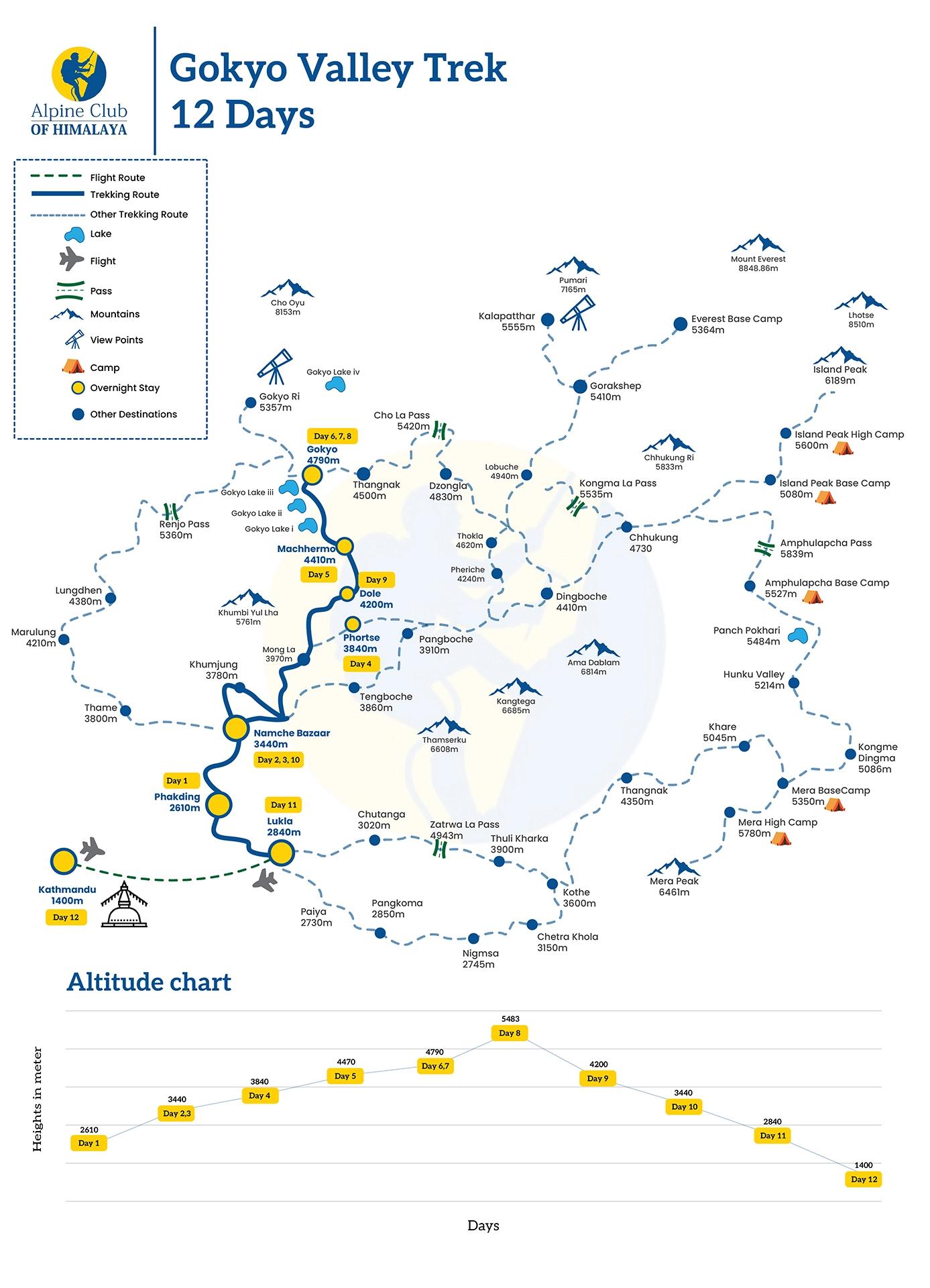
Click on map to view in fullscreen
| Departure Dates | Status | Price | Action |
|---|---|---|---|
| 2026-06-09 - 2026-06-20 | Available | USD 1499/- pp | |
| 2026-06-16 - 2026-06-27 | Available | USD 1499/- pp | |
| 2026-06-23 - 2026-07-04 | Available | USD 1499/- pp |
Gear and Packing List
Packing the right gear is essential for a safe, comfortable, and enjoyable trekking experience in the Gokyo Valley. The terrain, high altitude, and variable weather in the Everest region demand proper preparation. Alpine Club of Himalaya provides an ACH Kitbag and T-shirt for your trek, along with a down jacket and sleeping bag on a loan basis (to be returned after the trek). Below is a suggested list of personal items to bring:
Clothing
Headwear and Handwear
Footwear
Trekking Gear
Personal Essentials
Health and Safety Items
Documents and Money
· Valid passport with necessary visa.
· Travel insurance documents (must cover high-altitude trekking and emergency evacuation).
· Extra passport-sized photos (for permits if required).
· Cash in Nepalese Rupees for personal expenses along the trail.
Seasonal Packing Advice
Flight Weight Limits to Lukla
Flights from Kathmandu (or Ramechhap) to Lukla have strict weight limits:
Practical Packing Tips
By packing with these tips in mind, you’ll be better prepared for the challenges and rewards of the Gokyo Lake Trek, ensuring both safety and comfort throughout your adventure.
M
Matthew Cooper
Toronto, Canada
Aug 14, 2025
E
Emma Thompson
Sydney, Australia
Feb 8, 2025

H
Hannah Lewis
London, UK
Feb 6, 2025

24/7 Support
Need help? we're at your service
Associated With


We Accept Cards

Office of the company registrar License: 66813/066/067 || Tourism Industry Division License:1142
All content and photography within our website is copyright & may not be reproduced without our permission.
Develop By: IT Sansaar