The Lhasa Tour – 5 Days is one of the most popular and time-efficient ways to experience the cultural and spiritual heart of Tibet. Carefully designed by Alpine Club of Himalaya, this short yet immersive itinerary allows travelers to discover the highlights of Lhasa, a city rich in history, tradition, and breathtaking Himalayan landscapes. Ideal for travelers with limited time, this tour combines iconic landmarks, ancient monasteries, and authentic Tibetan culture in just five days.
Located at an altitude of 3,600 meters, Lhasa, often referred to as the “Place of Gods” sits majestically on the Tibetan Plateau, surrounded by towering Himalayan peaks. This sacred city has long been a center of Tibetan Buddhism and remains a dream destination for pilgrims and travelers seeking cultural depth and spiritual insight. Despite modern influences, Lhasa still preserves its timeless charm, offering a unique blend of ancient traditions and evolving city life.
This tour package begins and ends in Lhasa, covering all major attractions that define Tibet’s identity. Highlights include the world-famous Potala Palace, the former winter residence of the Dalai Lama, and Norbulingka Palace, the traditional summer residence. Travelers will also explore the Tibet Museum to gain deeper insight into Tibetan history and culture, and stroll through the vibrant Barkhor Bazaar, a lively marketplace circling the sacred Jokhang Temple.
The journey continues with visits to some of Tibet’s most significant monasteries, including Sera Monastery, known for its monk debates, and Drepung Monastery, once the largest monastery in the world. The revered Jokhang Temple, a UNESCO World Heritage Site and the spiritual center of Tibet, offers a profound cultural experience.
To enhance your exploration, this tour also includes a visit to the outskirts of Lhasa, where you will discover Ganden Monastery, a 15th-century monastery perched on a mountain ridge with stunning panoramic views, and the peaceful Drayerpa Cave, a historic meditation retreat used by Tibetan monks for centuries.
The Lhasa Tour by Alpine Club of Himalaya is more than just a sightseeing trip—it is a journey into a mystical land where spirituality, culture, and natural beauty come together. This tour provides an unforgettable glimpse into a unique world that continues to inspire travelers from around the globe.
About Potala Palace
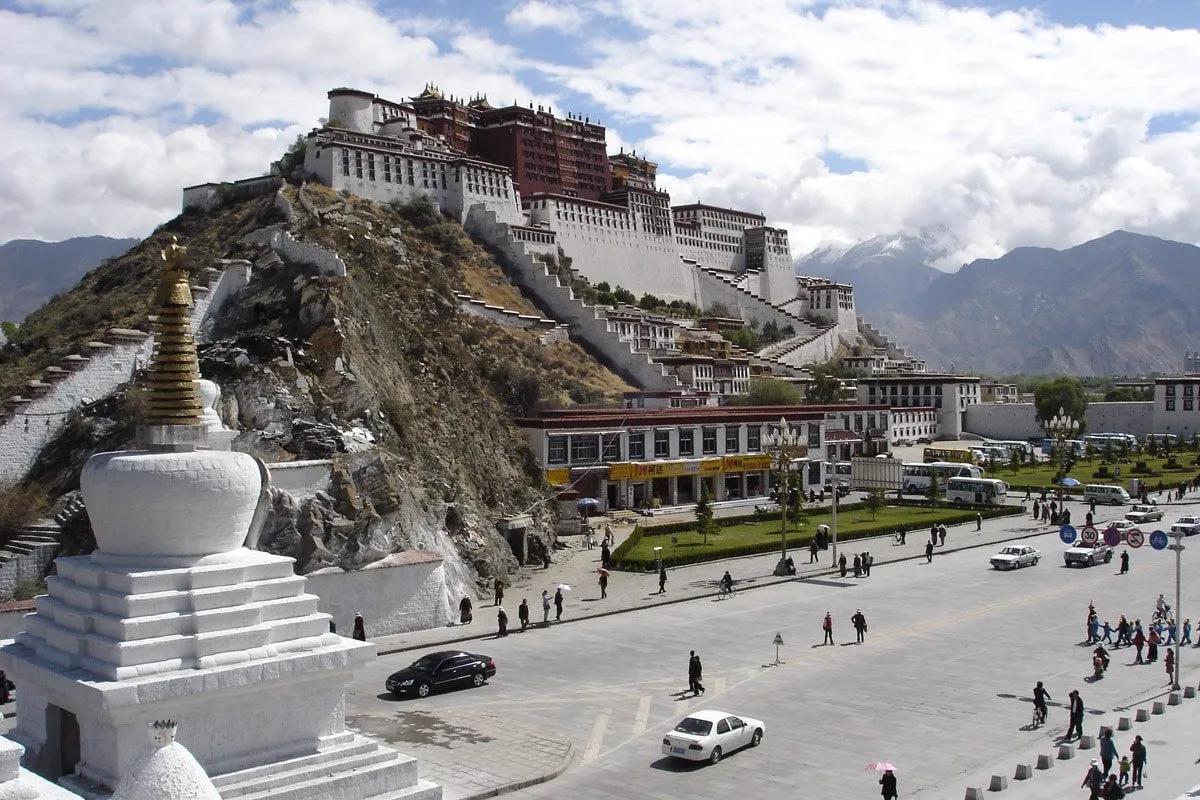
The Potala Palace is the most iconic landmark of Tibet and a symbol of Tibetan Buddhism. Located in the heart of Lhasa, this magnificent structure stands on Marpo Ri Hill at an elevation of 3,700 meters. Originally built in the 7th century by King Songtsen Gampo and later expanded in the 17th century, the palace served as the winter residence of the Dalai Lama until the 14th Dalai Lama left Tibet in 1959.
This UNESCO World Heritage Site is an architectural masterpiece, rising 13 stories high with over 1,000 rooms, chapels, and shrines. The palace is divided into two main sections: the White Palace, which was used for administrative purposes, and the Red Palace, dedicated to religious study and prayer. Inside, visitors can find ancient murals, sacred scriptures, golden stupas, and countless Buddhist relics that reflect centuries of spiritual tradition.
The Potala Palace is not just a historical monument but also a sacred pilgrimage site for Tibetan Buddhists. Its grand design, spiritual significance, and panoramic views of Lhasa Valley make it one of the most visited attractions in Tibet. For travelers, exploring the Potala Palace offers a deep insight into Tibetan culture, religion, and history.
About Lhasa
Lhasa, the capital city of Tibet, is often referred to as the “Place of Gods” and is one of the highest cities in the world, sitting at an altitude of around 3,600 meters above sea level. Surrounded by the majestic Himalayan ranges, Lhasa has been the political, cultural, and spiritual center of Tibet for centuries.
This ancient city is home to some of the most important religious sites in Tibetan Buddhism, including the sacred Jokhang Temple, the bustling Barkhor Street, and renowned monasteries such as Sera Monastery and Drepung Monastery. These sites attract pilgrims and travelers from all over the world, making Lhasa a vibrant mix of spirituality and daily life.
Despite modern development, Lhasa has managed to preserve its traditional charm. Walking through its streets, visitors can witness prayer flags fluttering in the wind, locals spinning prayer wheels, and monks engaged in rituals offering a unique cultural experience unlike anywhere else in the world.
Lhasa is also the gateway to exploring Tibet, making it an essential destination for anyone looking to experience the true essence of the Himalayan region. Whether you are interested in history, religion, or breathtaking landscapes, Lhasa offers an unforgettable journey into a land rich in heritage and spiritual depth.
Best Time to Visit Lhasa
The best time to visit Lhasa is from April to October, when the weather is pleasant, skies are generally clear, and travel conditions are ideal for sightseeing and cultural exploration.
· Spring (April to May)
Spring is one of the best seasons to explore Lhasa, with mild temperatures and blooming landscapes. The weather is comfortable for visiting major attractions like Potala Palace and Jokhang Temple without extreme cold or heat.
· Summer (June to August)
Summer is the peak tourist season in Lhasa. The temperature is warm, and the surrounding valleys are lush and green. This is also a great time to experience local festivals and vibrant street life around Barkhor Street. However, occasional rainfall can occur, usually at night.
· Autumn (September to October)
Autumn is considered the ideal time for travel due to stable weather, clear mountain views, and fewer crowds compared to summer. It offers excellent conditions for visiting monasteries like Sera Monastery and Drepung Monastery.
· Winter (November to March)
Winter is cold but less crowded, making it suitable for travelers seeking a quieter experience. While temperatures drop significantly, you can still explore key landmarks with fewer tourists, and enjoy a more authentic local atmosphere.
Overall, April to October is highly recommended for the Lhasa Tour, offering the best combination of weather, visibility, and cultural experiences.
Difficulty Level
The Lhasa Tour is considered an easy to moderate level tour, making it suitable for most travelers, including beginners and those with no prior trekking experience. This is primarily a cultural and sightseeing tour rather than a physically demanding journey.
Most activities involve short walks, guided city tours, and visits to monasteries and historical landmarks such as Potala Palace, Jokhang Temple, and Sera Monastery. However, due to Lhasa’s high altitude (around 3,600 meters), travelers may feel mild physical strain, especially during the first couple of days.
Climbing steps at places like Potala Palace can be slightly challenging because of the elevation, but the pace is slow and manageable with proper acclimatization.
Physical Fitness and Requirements
This tour does not require high physical fitness, but a basic level of health and mobility is important to fully enjoy the experience.
· Travelers should be able to walk for a few hours a day at a relaxed pace
· No technical skills or trekking experience is required
· A moderate level of stamina is helpful due to high altitude conditions
· Proper acclimatization is essential to avoid altitude-related discomfort
· It is recommended to stay hydrated and avoid overexertion during the first days in Lhasa
People of different age groups can join this tour, but those with pre-existing medical conditions, especially related to heart or lungs, should consult a doctor before to high-altitude regions.
Overall, the Lhasa Tour is accessible, comfortable, and ideal for travelers looking to experience Tibetan culture without intense physical challenges.
Climate and Environment of Lhasa
Lhasa has a unique high-altitude climate, often described as dry, sunny, and cool throughout the year. Due to its elevation of around 3,600 meters on the Tibetan Plateau, the city experiences strong sunlight, low oxygen levels, and significant temperature variations between day and night.
· Temperature: Summers are mild (15°C to 25°C), while winters can be cold, often dropping below freezing, especially at night
· Sunshine: Lhasa is known as the “City of Sunshine,” with over 3,000 hours of sunlight annually, making sun protection essential
· Rainfall: Most rainfall occurs during the summer months (June to August), but it is generally light and short-lived
· Air Quality: The air is clean and dry, with minimal pollution, offering clear views of surrounding mountains
· Altitude: The thin air can cause altitude-related discomfort, so proper acclimatization is important
The environment around Lhasa is characterized by vast open landscapes, mountain ranges, and traditional Tibetan settlements. Cultural landmarks like Potala Palace and Barkhor Street sit within this dramatic setting, offering a unique combination of natural beauty and spiritual atmosphere.
Restrictions and Permissions
Traveling to Tibet, including Lhasa, requires special permits and adherence to specific regulations set by the Chinese authorities. These are essential for all international travelers.
· Tibet Travel Permit (TTP): Mandatory for all foreign visitors to enter Tibet. This permit is arranged in advance through a registered travel agency
· Chinese Visa: Travelers must obtain a valid Chinese visa before applying for the Tibet Travel Permit
· Guided Tour Requirement: Independent travel is not allowed; visitors must travel with a licensed guide and a pre-arranged itinerary
· Restricted Areas: Some areas outside Lhasa may require additional permits, depending on the travel route
· Identification Checks: Passports and permits are checked at multiple checkpoints, including entry points and major attractions
· Photography Restrictions: Photography may be restricted inside monasteries and sacred sites such as Jokhang Temple
It is highly recommended to book your tour through a reliable operator to handle all necessary documentation and ensure a smooth travel experience. Following these regulations will help you enjoy a hassle-free and enriching journey in Tibet.
Flight from Kathmandu to Lhasa
Flying from Kathmandu to Lhasa with Himalayan Airlines is one of the most scenic and convenient ways to enter Tibet. The flight takes approximately 1 hour and 15 minutes, offering breathtaking views of the Himalayan mountain range, including iconic peaks such as Mount Everest.
Flights depart from Tribhuvan International Airport and arrive at Lhasa Gonggar Airport, located about 60 kilometers from Lhasa city. Upon arrival, travelers must go through immigration and present their Tibet Travel Permit along with other required documents.
It is recommended to arrive in Kathmandu a few days before the flight to ensure all permits are processed and to avoid any last-minute delays. Since Lhasa is at a significantly higher altitude than Kathmandu, travelers should also allow time for proper acclimatization to minimize the risk of altitude sickness.
Flying with Himalayan Airlines is not only practical but also a spectacular introduction to Tibet, offering travelers stunning aerial views of the Himalayas and a memorable start to their journey on the roof of the world.
Why Choose the Explore Lhasa Tour?
· Experience the Heart of Tibet: This tour takes you to Lhasa, the spiritual and cultural center of Tibet, allowing you to explore its most iconic landmarks, including Potala Palace, Jokhang Temple, and Norbulingka Palace.
· Cultural Immersion: Witness authentic Tibetan life by strolling through Barkhor Street, visiting ancient monasteries like Sera Monastery and Drepung Monastery, and experiencing local traditions and rituals firsthand.
· Scenic Himalayan Views: The journey to Lhasa, especially the flight from Kathmandu with Himalayan Airlines, provides stunning aerial views of the majestic Himalayan peaks, including Mount Everest.
· Short Yet Comprehensive: In just five days, travelers can explore the highlights of Lhasa and its surroundings without long, strenuous treks, making it ideal for those with limited time.
· Expertly Organized by Alpine Club of Himalaya: With a trusted and experienced tour operator, all permits, transportation, and guided experiences are handled professionally, ensuring a smooth and hassle-free journey.
· Spiritual and Historical Insights: Visit sacred sites such as Ganden Monastery and Drayerpa Cave to gain a deeper understanding of Tibetan Buddhism and the spiritual heritage of the region.
· Safe and Comfortable Travel: The tour is designed for ease and comfort, with manageable walking distances, proper acclimatization, and support from experienced guides, making it accessible for most travelers.
This tour is perfect for anyone seeking a cultural, spiritual, and scenic exploration of Tibet in a short yet memorable experience.
Photography Allowance and Restrictions in Lhasa
Photography is an important part of capturing the beauty and culture of Lhasa, but there are specific rules and restrictions to be aware of during your visit to ensure respect for local customs and legal compliance.
· Monasteries and Temples: In many sacred sites such as Jokhang Temple, Sera Monastery, and Drepung Monastery, photography may be strictly prohibited inside prayer halls or near religious artifacts. Outdoor photography is usually allowed but always check with your guide first.
· Potala Palace: Photography is generally permitted in certain areas but may be restricted inside rooms or near sacred relics. Flash photography is often not allowed to protect ancient murals and artifacts.
· Barkhor Street and Public Areas: Taking photos of streets, markets, and public spaces is allowed. However, it is considered polite to ask locals before photographing individuals, especially monks or pilgrims engaged in prayer.
· Guided Photography: Your tour guide from Alpine Club of Himalaya will provide guidance on where photography is allowed and help ensure that rules are respected, especially in restricted or sacred areas.
· Drones: The use of drones is strictly prohibited in Lhasa and most parts of Tibet without special government permission. Travelers should avoid attempting drone photography to prevent fines or confiscation.
· Tips for Travelers: Carry a small camera or smartphone for convenience, respect local customs, and avoid using tripods in crowded areas. Photography can greatly enhance your Lhasa experience, but always prioritize cultural sensitivity and compliance with regulations.
Following these guidelines ensures that travelers can capture the stunning landscapes and cultural richness of Lhasa while respecting the spiritual significance of its sacred sites.
Accommodation
During the Lhasa Tour, accommodation is arranged in comfortable and well-rated hotels in Lhasa to ensure a restful stay while exploring the city and its surroundings. Most hotels are conveniently located near the city center, allowing easy access to major attractions such as Potala Palace, Jokhang Temple, and Barkhor Street.
Rooms are typically equipped with essential amenities such as comfortable beds, private bathrooms, hot water, and heating, which is important given the cooler temperatures at high altitudes. Travelers can expect a mix of standard and deluxe rooms depending on the chosen package. Staying in these hotels provides not only comfort but also a safe environment for acclimatization to the high-altitude conditions of Lhasa, which is crucial to prevent altitude sickness.
Alpine Club of Himalaya ensures that accommodation meets both comfort and hygiene standards, giving travelers peace of mind throughout their Lhasa experience.
Meals
The Lhasa Tour offers a well-planned meal arrangement to ensure travelers enjoy authentic Tibetan cuisine and international options throughout their journey. Breakfast is typically included at the hotel to start your day before sightseeing, while lunch and dinner are arranged at recommended local restaurants or hotels depending on the itinerary.
Meals include a variety of Tibetan staples such as thukpa (noodle soup), momo (dumplings), tsampa (roasted barley flour), and butter tea, along with options for international dishes for travelers seeking familiar flavors. Special dietary requests can usually be accommodated with prior notice to the tour operator.
Eating at these selected restaurants and hotels provides a safe, hygienic, and enjoyable dining experience while allowing travelers to taste the local flavors and culinary traditions of Tibet.
Drinking Water
Access to safe drinking water is essential at high altitudes, and during the Lhasa Tour, bottled drinking water is provided for all travelers. While hotels typically provide clean tap water for brushing teeth and washing, it is strongly recommended to use bottled water for drinking.
Travelers are encouraged to stay hydrated throughout the tour to help with acclimatization and reduce the risk of altitude sickness. Alpine Club of Himalaya ensures that bottled water is available during sightseeing, excursions, and transfers, making it convenient for travelers to maintain proper hydration at all times.
Carrying a refillable water bottle is also recommended, as it is both eco-friendly and practical for long days of exploration in and around Lhasa.
Guides
A key feature of the Lhasa Tour is the support of experienced and licensed Tibetan guides provided by Alpine Club of Himalaya. All tours in Tibet are required to be accompanied by official guides due to travel regulations. These guides are well-versed in Tibetan history, culture, and Buddhism, and they offer insightful commentary at every major site, including Potala Palace, Sera Monastery, and Ganden Monastery.
Guides assist with permit checks, local customs, and language translation, ensuring smooth communication with locals and authorities. They also provide practical advice for high-altitude travel, including acclimatization tips and safety precautions. With a knowledgeable guide, travelers gain a deeper understanding of Tibetan traditions, rituals, and daily life, making the experience both educational and memorable.
The presence of professional guides guarantees not only compliance with local regulations but also a rich and immersive cultural experience for all travelers.
Travel Insurance
For the Lhasa Tour, travel insurance is highly recommended for all travelers. High-altitude destinations like Lhasa come with unique risks such as altitude sickness, sudden weather changes, and unforeseen medical emergencies.
A comprehensive travel insurance plan should cover:
· Medical expenses and hospitalization
· Emergency evacuation, especially in high-altitude areas
· Trip cancellations or delays
· Lost or stolen belongings
Having travel insurance provides peace of mind and ensures that you are fully protected while exploring Tibet’s remote and challenging terrain. Alpine Club of Himalaya strongly advises travelers to obtain insurance before departure to cover any unexpected situations during the tour.
Passport and Visa
Travelers joining the Lhasa Tour need valid travel documents for both Nepal and Tibet:
- Nepal Visa: Available on arrival at Tribhuvan International Airport for most nationalities. This makes entering Nepal simple and convenient.
- Tibet Travel Permit (Chinese Visa): Required to enter Lhasa. This must be obtained in advance through the Chinese Embassy. To process the permit, Alpine Club of Himalaya requires the following from each traveler:
· Original passport copy
· Two recent passport-sized photographs
The permit processing typically takes 2–3 business days, so travelers are advised to submit documents well in advance. This permit is mandatory for all foreigners traveling to Tibet, and entry without it is strictly prohibited.
By arranging your visas and permits beforehand, travelers can enjoy a smooth and hassle-free journey while exploring the cultural and spiritual treasures of Lhasa.
Wi-Fi and Electricity
During the Lhasa Tour, most hotels in Lhasa provide Wi-Fi access in public areas and guest rooms, allowing travelers to stay connected. However, due to the remote high-altitude location, Wi-Fi speed may sometimes be slower than in major cities.
Electricity in Lhasa is supplied at 220V with a Type C or Type I plug, so travelers should carry universal adapters for charging phones, cameras, or other electronic devices. Power outages are rare, but it is recommended to keep portable power banks, especially when exploring monasteries or traveling to outskirts like Ganden Monastery.
Last-Minute Booking
Alpine Club of Himalaya accommodates last-minute bookings for the Lhasa Tour whenever possible. However, since Tibet Travel Permits are required for all foreign travelers, some processing time is essential. Travelers are encouraged to contact the company at least a few days in advance to check permit availability and secure flights, accommodations, and guides.
For urgent bookings, the team can provide guidance on expedited permit processing and available flights, ensuring travelers can still enjoy a smooth and organized tour.
Online Briefing
Before the tour, Alpine Club of Himalaya provides an online briefing for all travelers. This briefing includes:
· Detailed itinerary review
· Travel tips and packing recommendations
· Guidance on altitude acclimatization and health precautions
· Visa, permit, and documentation instructions
· Cultural etiquette and photography guidelines
The online session ensures that travelers are well-prepared, confident, and informed before departing for Lhasa, minimizing any surprises during the trip.
Private and Group Bookings
The Lhasa Tour is flexible and available for both private and group bookings:
· Private Tours: Ideal for families, couples, or small groups who prefer a customized schedule, exclusive accommodations, and personalized attention from guides. Private tours offer maximum flexibility in pacing and sightseeing.
· Group Tours: Perfect for solo travelers or those looking to meet others, group tours provide shared experiences with fellow travelers, guided sightseeing, and structured itineraries.
Alpine Club of Himalaya ensures that both private and group tours are well-organized, with licensed guides, transportation, accommodation, and all permits handled professionally for a seamless travel experience.
Final Notes
Before starting the Lhasa Tour, proper preparation is essential to ensure a safe, comfortable, and memorable journey through Tibet’s spiritual and cultural heart. This short yet comprehensive tour takes travelers to Lhasa, the “Place of Gods,” offering a unique blend of ancient Tibetan culture, sacred monasteries, and Himalayan landscapes. Highlights include the iconic Potala Palace, the spiritual Jokhang Temple, bustling Barkhor Street, serene Norbulingka Palace, and the scenic Ganden Monastery and Drayerpa Cave on the outskirts of the city. Travelers also get to explore monasteries such as Sera Monastery and Drepung Monastery, experiencing Tibetan spiritual life and vibrant local culture firsthand.
Support from Alpine Club of Himalaya
Alpine Club of Himalaya provides complete logistical and on-ground support throughout the tour. With extensive experience in Tibetan travel, the team ensures that all aspects, including Tibet Travel Permits, airport transfers, private transportation, accommodation, sightseeing fees, and guide services, are professionally managed.
Licensed Tibetan guides accompany travelers throughout the tour, offering expert insights into Tibetan history, Buddhist culture, and local traditions. Guides also provide essential advice on high-altitude acclimatization, safety, and cultural etiquette, allowing travelers to focus fully on sightseeing and cultural immersion without worrying about logistics.
Cancellation Policy
Cancellation by the Participant:
· 30 days or more before departure: 20% of the total tour cost retained to cover permits, accommodation, and administration.
· 15–29 days before departure: 50% of the total tour cost is non-refundable.
· Less than 15 days before departure: 100% of the total tour cost is non-refundable.
Cancellation by the Organizer:
In rare circumstances, the tour may be canceled due to extreme weather, natural disasters, political unrest, or safety concerns. In such cases, travelers may:
· Receive a full refund of all payments made, or
· Reschedule the tour for a future date at no additional cost.
Force Majeure Clause:
Alpine Club of Himalaya is not responsible for additional expenses or delays caused by unforeseen events, including:
· Natural disasters (earthquakes, floods, landslides)
· Political unrest, strikes, or border closures
· Health emergencies, epidemics, or pandemics
· Travel disruptions, including flight cancellations or delays
Travelers are responsible for personal expenses incurred due to such events, including accommodation, rescheduled flights, or insurance claims. Comprehensive travel insurance is strongly recommended to mitigate these risks.
Key Takeaways
The Lhasa Tour offers a perfect introduction to Tibet’s spiritual, cultural, and scenic treasures. Travelers experience ancient palaces, sacred monasteries, vibrant markets, and panoramic Himalayan views, all with the support of experienced guides and professional logistics from Alpine Club of Himalaya. Proper preparation, adherence to high-altitude precautions, and respect for local customs ensure a safe, smooth, and unforgettable journey to the heart of Tibet.