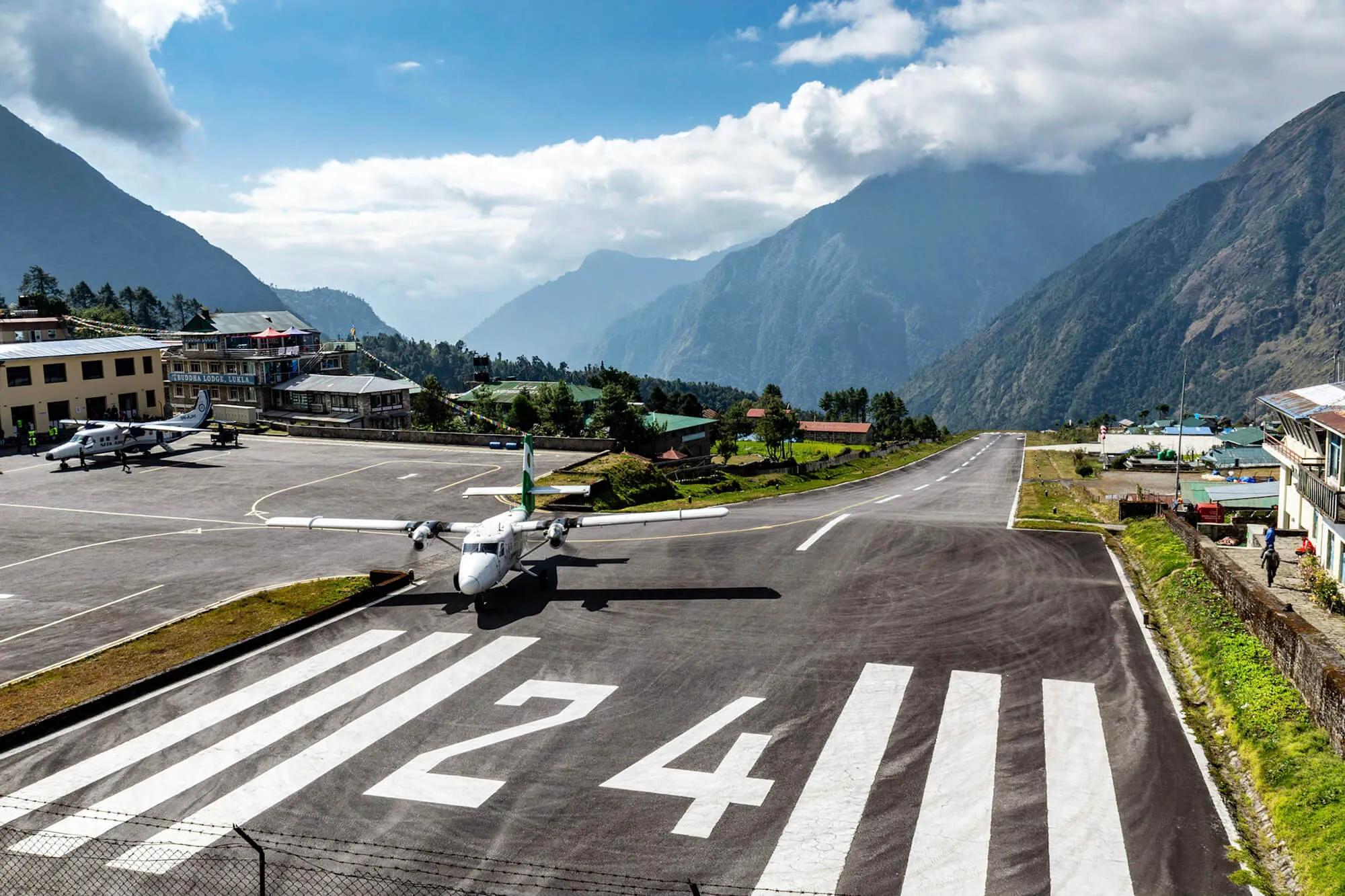
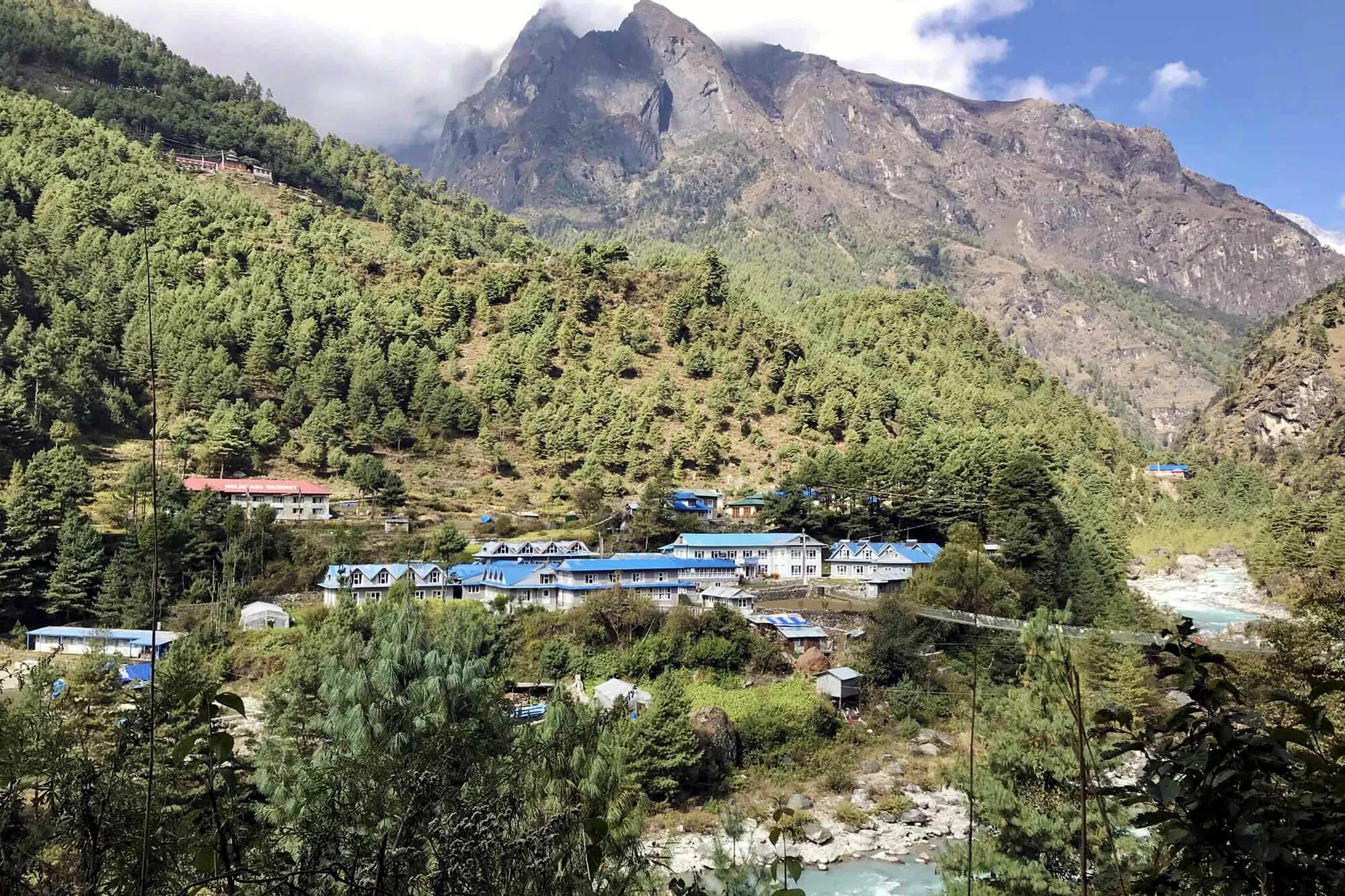
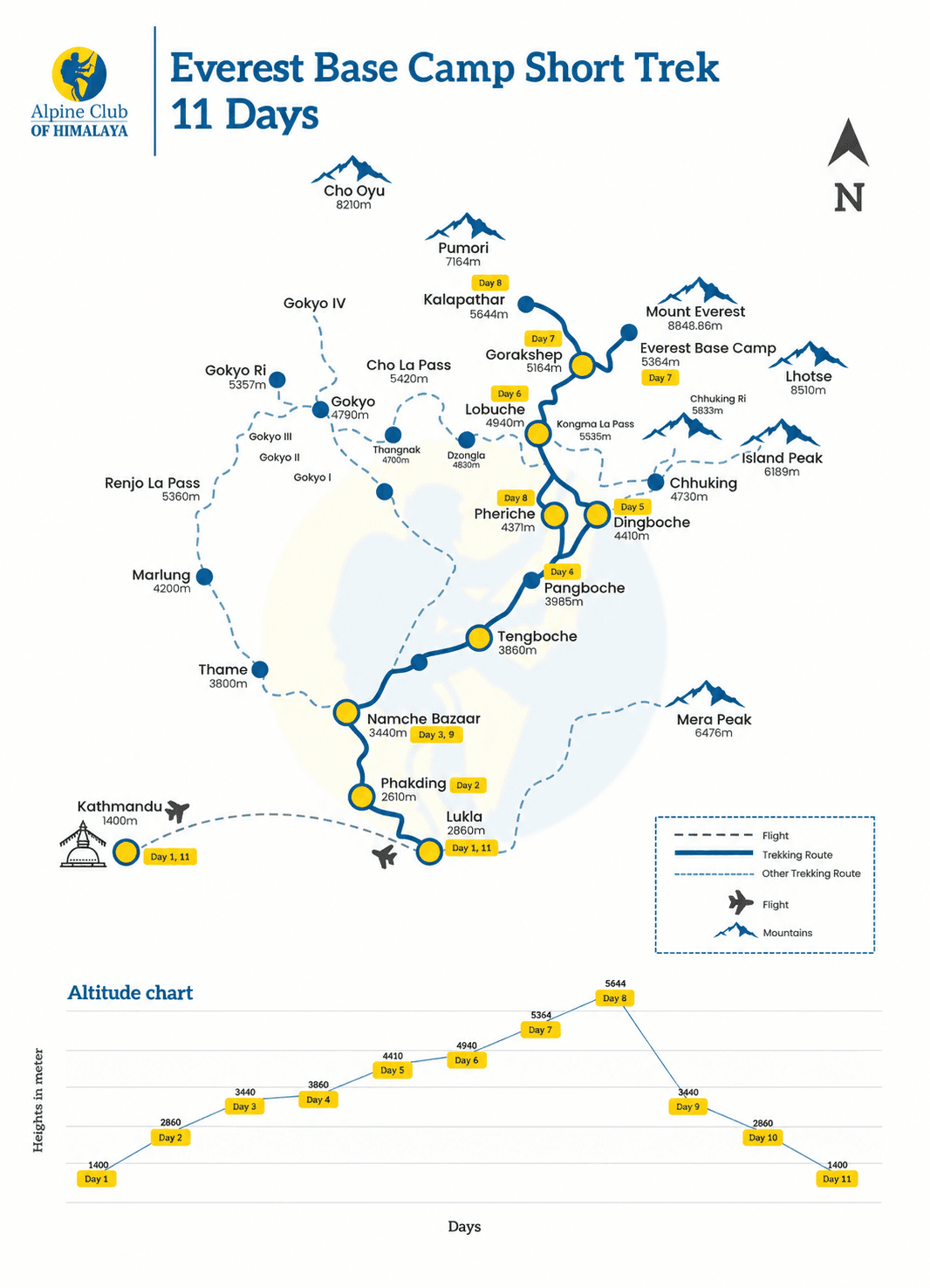
The Everest Base Camp Short Trek is an exciting Himalayan adventure that takes you into the heart of Nepal’s Khumbu region and to the base camp of Mount Everest, the world’s highest mountain at 8,848 meters. Despite its shorter duration, the trek offers an unforgettable combination of dramatic mountain scenery, Sherpa culture, traditional villages, and high-altitude landscapes. The journey passes through Sagarmatha National Park, a UNESCO World Heritage Site known for its diverse Himalayan flora, wildlife, forests, and spectacular mountain views. Along the trail, you will explore famous destinations such as Lukla, Namche Bazaar, Tengboche, Dingboche, Lobuche, and Gorak Shep before reaching Everest Base Camp.
This carefully designed 11-day itinerary is ideal for trekkers who want to experience the highlights of the Everest region within a limited timeframe. With breathtaking views of Everest, Lhotse, Nuptse, Ama Dablam, and other Himalayan peaks, the Everest Base Camp Trek provides a rewarding adventure for those seeking both natural beauty and cultural experiences in the Himalayas.
What is the altitude of Everest Base Camp?
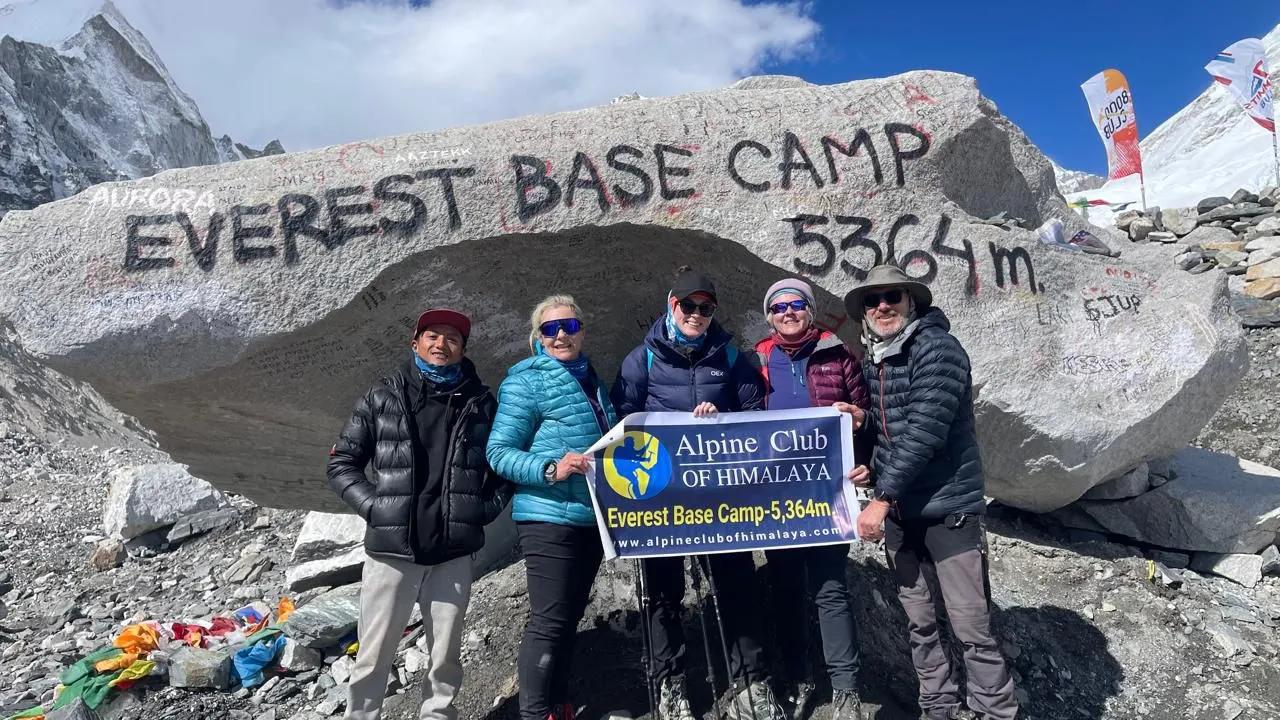
The Everest Base Camp in Nepal is located at an altitude of approximately 5,364 meters (17,598 feet) above sea level. It is situated in Nepal’s Khumbu region within Sagarmatha National Park and serves as the main starting point for climbers attempting to summit Mount Everest from the southern side. There are two Everest Base Camps: the South Base Camp in Nepal and the North Base Camp in Tibet, China. The North Base Camp is located at around 5,150 meters, while the Nepalese base camp is slightly higher and is the more popular trekking destination. Reaching Everest Base Camp requires gradual altitude gain and proper acclimatization. The short trek itinerary includes acclimatization stops along the route to help trekkers adjust to the high altitude before reaching the base camp.
How Is the 11-Day Everest Base Camp Short Trek Perfect for You?
The 11-day Everest Base Camp Short Trek is ideal for travelers who want to experience the Everest region without spending several weeks on the trail. Compared with the longer Everest Base Camp Trek itineraries, this carefully designed route saves valuable time while still covering the major highlights of the journey. You will trek through scenic Sherpa villages, Sagarmatha National Park, and spectacular Himalayan landscapes before reaching Everest Base Camp. With a well-planned itinerary, essential acclimatization, and experienced trekking support, this short adventure offers an excellent balance of time, challenge, culture, and mountain scenery.
Local Culture in the Everest Region
The Everest region is home to the Sherpa community, renowned for its warm hospitality, rich traditions, and deep connection with the Himalayas. During the Everest Base Camp Trek, you can experience their unique lifestyle by staying in traditional teahouses, visiting villages, and interacting with local families. The trail also passes several Buddhist monasteries, stupas, chortens, and prayer walls, with Tengboche Monastery being one of the most significant cultural sites. Colorful prayer flags, traditional houses, and Buddhist practices add a spiritual character to the journey.
Depending on your travel season, you may also have the opportunity to witness local festivals and ceremonies, offering a closer look at the culture and traditions of the Khumbu region.
Best Season for Everest Base Camp Short Trek
The best time for the Everest Base Camp Trek is during spring and autumn, when the weather is generally stable and mountain visibility is excellent. However, each season offers a different trekking experience.
Everest Base Camp Short Trek in Spring (March to May)
-
Trail Conditions: Dry and comfortable for trekking
-
Mountain Views: Clear views with excellent visibility
-
Highlights: Rhododendron blooms and pleasant weather
Spring is one of the most popular seasons for the Everest Base Camp Short Trek. The trails are colorful with blooming flowers, and stable weather provides spectacular views of Everest and the surrounding Himalayan peaks. Accommodation can fill quickly during this season, so advance booking is recommended.
Everest Base Camp Short Trek in Autumn (September to November)
-
Trail Conditions: Dry and stable after the monsoon
-
Mountain Views: Crisp skies and outstanding visibility
-
Highlights: Pleasant temperatures and vibrant landscapes
Autumn is another ideal season for the Everest Base Camp Trek. The post-monsoon atmosphere creates clear skies and excellent mountain views, while the comfortable trekking conditions make the journey enjoyable. The trails can be busy, particularly in October.
Everest Base Camp Short Trek in Winter (December to February)
-
Trail Conditions: Snowy and potentially icy at higher elevations
-
Mountain Views: Often exceptionally clear on sunny days
-
Highlights: Peaceful trails and fewer trekkers
Winter brings cold temperatures and possible snowfall, especially around higher sections of the trail. Although conditions can be challenging, experienced trekkers can enjoy quieter trails and beautiful snow-covered Himalayan scenery.
Everest Base Camp Short Trek in Summer (June to August)
-
Trail Conditions: Wet and slippery due to monsoon rain
-
Mountain Views: Frequently affected by clouds and mist
-
Highlights: Fewer trekkers and greener landscapes
Summer coincides with Nepal's monsoon season, making the Everest Base Camp Short Trek less predictable. Rain, cloudy skies, and occasional flight disruptions to Lukla can affect the journey. For better weather and visibility, spring or autumn is generally preferred.
Which Peaks Can You Witness During the Everest Base Camp Trek?
The Everest Base Camp Trek offers spectacular views of some of the highest and most iconic mountains in the Himalayas. As you walk through the Khumbu region, the scenery changes with altitude, revealing impressive peaks from different viewpoints.
-
Mount Everest (8,849 m): The world's highest mountain and the main highlight of the trek.
-
Lhotse (8,516 m): The world's fourth-highest mountain, prominently visible from the upper Khumbu region.
-
Nuptse (7,861 m): A striking peak close to Everest, especially impressive near Gorak Shep and Kala Patthar.
-
Ama Dablam (6,812 m): Famous for its distinctive pyramid-shaped profile and one of the most beautiful peaks in the region.
-
Pumori (7,161 m): Located near Everest Base Camp and clearly visible from Gorak Shep and Kala Patthar.
-
Thamserku (6,623 m): A prominent Himalayan peak visible from the trails around Namche Bazaar.
-
Kangtega (6,782 m): A distinctive mountain seen from several viewpoints along the Khumbu Valley.
Clear weather provides the best opportunity to enjoy these Himalayan peaks, although visibility can vary depending on the season and weather conditions.
Important Information to Know Before the Everest Base Camp Trek
Before starting the Everest Base Camp Trek, it is important to understand the permits, accommodation, food, fitness requirements, connectivity, and other practical aspects of the journey. Here are the key things to know before you begin.
Permits and Entrance
Alpine Club of Himalaya will arrange all the necessary permits for the Everest Base Camp Trek on your behalf. The required permits include the Sagarmatha National Park Entry Permit and Khumbu Pasang Lhamu Rural Municipality Permit. Our team handles the permit process, so you can focus on preparing for your Himalayan adventure.
Food and Accommodation
Accommodation is mainly provided in local teahouses, offering basic but comfortable rooms and shared facilities. Meals include popular options such as dal bhat, noodles, pasta, momos, soups, and fried rice. Food choices become more limited as you reach higher elevations.
Travel Insurance
Comprehensive travel insurance is strongly recommended for the trek. Your policy should cover high-altitude trekking, medical treatment, emergency evacuation, and helicopter rescue. Always check the altitude limit and coverage details before purchasing insurance.
Vegetation and Wildlife
The landscape changes significantly as you gain altitude. Lower sections feature pine, rhododendron, and fir forests, while higher areas gradually transition into alpine vegetation and rocky mountain terrain. The region is also home to wildlife such as the Himalayan thar, musk deer, and various Himalayan birds.
Trek Difficulty
The Everest Base Camp Trek is considered challenging because of long walking days, steep sections, and increasing altitude. Good stamina and preparation are important. Regular walking, hiking, running, cycling, or stair climbing before the trek can help improve your endurance.
Wi-Fi and Electricity
Wi-Fi and electricity are available at many teahouses, although connectivity becomes less reliable at higher elevations. Charging devices usually costs an additional fee. Carrying a power bank is recommended, especially for your phone, camera, and headlamp.
Guide and Porter
A professional English-speaking guide will accompany you throughout the trek, providing assistance with navigation, safety, accommodation, and altitude awareness. Alpine Club of Himalaya provides one porter for every two trekkers, allowing you to trek comfortably with a lighter daypack. Our experienced staff are familiar with the Everest region and are committed to making your journey safe, smooth, and enjoyable.
Accommodation
Teahouses along the route provide simple rooms, usually with twin beds and shared bathrooms. Dining areas often have a stove or fireplace for warmth. Facilities become more basic at higher elevations, so carrying a good-quality sleeping bag is recommended.
Meals
Meals are available throughout the trekking route, with dal bhat, noodles, soups, pasta, momos, eggs, porridge, and Tibetan bread among the common choices. Dal bhat is particularly popular because it provides a filling source of carbohydrates and energy for long trekking days.
Drinking Water
Staying hydrated is essential at high altitude. Boiled or filtered water is available at most teahouses, while bottled water is also available but creates more plastic waste. Carry a refillable water bottle or hydration bladder and consider bringing a water purification method.
Passport & Visa
All travelers should carry a valid passport with at least six months of validity from the date of entry into Nepal. Most international visitors need a tourist visa, which can be obtained upon arrival at Tribhuvan International Airport (TIA) in Kathmandu or in advance through a Nepalese Embassy or Consulate. Visa requirements, fees, and eligibility can change, so travelers are advised to check the latest information before departure.
For the most up-to-date visa requirements and application details, visit the official Department of Immigration, Nepal website: https://www.immigration.gov.np/visa-information
Why Book Your Everest Base Camp Trek with Alpine Club of Himalaya?
With over 20 years of experience in Himalayan tourism, Alpine Club of Himalaya provides professionally organized and reliable trekking experiences in Nepal. Our team understands the challenges of high-altitude trekking and takes care of the essential arrangements throughout your journey. Our licensed and experienced trekking guides are knowledgeable about the Everest region, local Sherpa culture, mountain trails, and altitude safety. We also provide one porter for every two trekkers, allowing you to walk comfortably while your main luggage is carried by our support team.
Alpine Club of Himalaya also arranges the necessary trekking permits, accommodation, meals, transportation, and other essential logistics. With a strong focus on safety, personalized service, and responsible tourism, we aim to make your Everest Base Camp Trek comfortable, well-organized, and memorable from start to finish.
Final Note
The Everest Base Camp Trek is more than a journey to the foot of the world's highest mountain; it is an opportunity to experience the breathtaking landscapes, rich Sherpa culture, and spirit of the Himalayas. With a carefully planned 11-day itinerary, experienced guides, and reliable support from Alpine Club of Himalaya, you can enjoy this remarkable adventure with confidence. Prepare well, trek responsibly, and get ready to create unforgettable memories in the heart of the Everest region.